Obama to Speak on Libya

During his address on U.S. engagement in Libya, Obama must reassure multiple audiences.

Posted: 03/28/2011 07:47 AM EDT
Filed Under Barack Obama


Candidate Obama famously said during the 2008 presidential campaign that he would never take the country to war without first getting congressional authorization. And while the Libyan military operation is not technically a war—yet—both Democrats and Republicans are miffed that he did not first get their consent before involving the U.S. in the effort.

Monday night, the president will attempt to explain to the nation why he decided to participate in the mission and what the endgame will be. His challenges are many and, according to San Francisco State University political scientist Dr. Robert Smith, he will have to address more than one audience.

There’s his core constituency—African-Americans, young adults, and anti-war voters—who are skeptical about his actions so far and want to be reassured that the president doesn’t plan to engage the nation in a third war.

“Then he has to explain to the country why he’s done what he’s done so far, what’s at stake and what the country’s interest is there,” said Smith. “He has explained it as a humanitarian effort.” Libyans also will be listening to hear what the endgame will be. The challenge for Obama is how to address the different expectations of each group.

So far, he has sent mixed messages. Obama has said that it is U.S. policy that Libyan leader Muammar Gadhafi must go, but the U.S. would use diplomacy and sanctions, rather than ground troops, to bring that about.

“He has to speak to the Libyan audience in a delicate way to give them some encouragement since he really wants them to do a job that he’s not willing to do,” said Smith.

During an appearance on This Week, Defense Secretary Robert Gates said that the nation’s interest in Libya is not vital, but it is an interest. When asked how he would respond to the citizens of such countries as Cote d’Ivoire or Syria, who are wondering where their no-fly zone is, he said, “Well, there’s not an air force being used. There is not the same level of force. The situation is significantly different enough that the world has not come together.”

But according to Smith, the real difference is that the U.S. doesn’t have the same kind of strategic interest in those countries, in part because of oil and the fact that Libya is located in the Middle East and therefore could become a place where people could organize to attack the United States.

“But that creates a difficulty because we don’t know what kind of government is likely to replace Gadhafi,” Smith said, echoing the concerns of some Congressional Black Caucus lawmakers. ”It could be that the regime that replaces him could be an even greater threat and [Gadhafi's] government hasn’t been a threat,” Smith said.

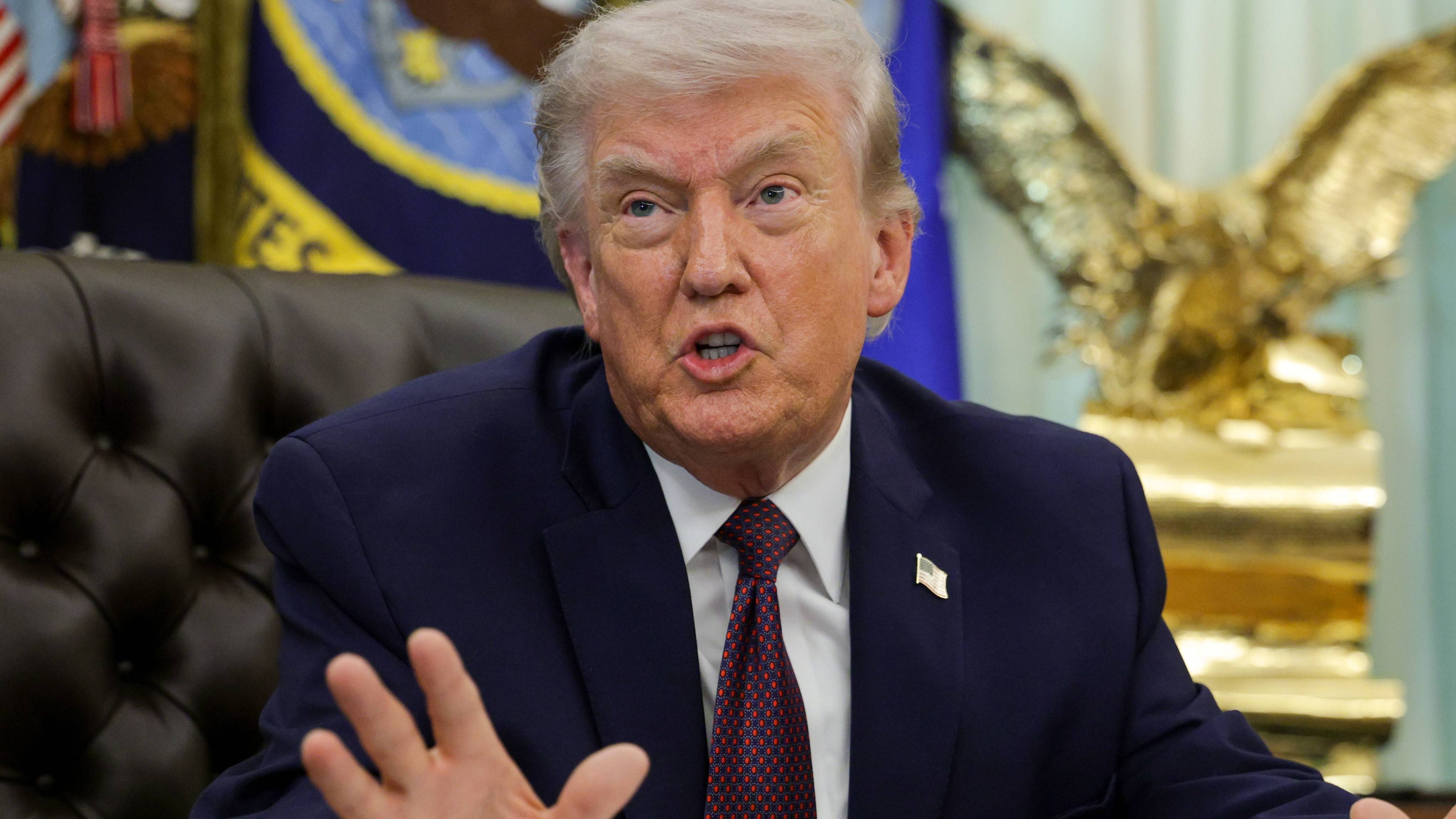
(Photo: AP Photo)

Comments

Health Rewind: Chicago Gang Members Fight to Keep Local Hospital Open

Plus, breastfeeding and obesity, menthols and more news. 06/07/2013

10 Things You Need to Know About Marijuana Use in America

Blacks face harsher enforcement for pot use. 06/07/2013

Everything You Need to Know About NSA Snooping on You

A breakdown of the National Security Agency scandal. 06/06/2013

Out and About: Wiz Khalifa and Amber Rose Shop in Beverly Hills

Plus pics of Kelly Rowland, Nia Long, Jaden Smith and more. 06/07/2013

Celebrity Quotes of the Week: Paris Jackson's Message Before Suicide Attempt

Plus, Michelle Obama shuts down a heckler. 06/06/2013

Instagram Photos of the Week: Jay-Z, JT, Nas and Timbo...Whoa!

Plus pics from Iggy Azalea, Jaden Smith and more. 06/07/2013