Shedeur Sanders Named Browns QB1: Why This Historic Decision Changes Cleveland's Future

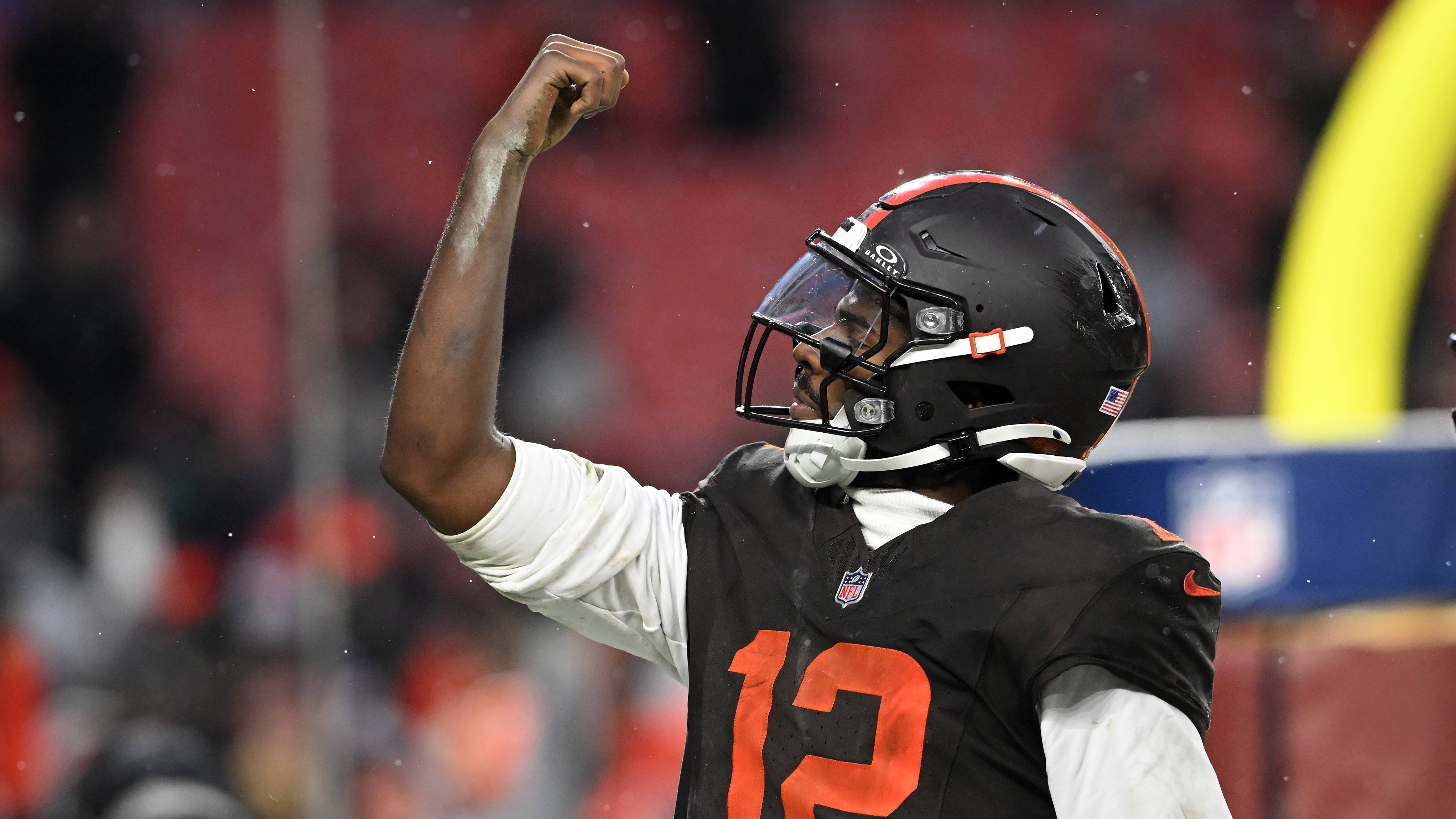
The Cleveland Browns have done what many felt was inevitable: officially naming Shedeur Sanders their starting quarterback for the remainder of the 2025 season. This decision, announced in the wake of his historic Week 14 performance against the Titans, is more than a commitment to a rookie; it is the ultimate affirmation of a young Black signal-caller's undeniable talent and an organization's desperate search for stability under center.
Sanders didn't just play well in his last outing—he delivered a performance for the ages. In the tough 31-29 loss to the Titans, he threw for a rookie-record 364 yards, adding three passing touchdowns and his first career rushing touchdown. The numbers placed him alongside Joe Burrow as the only rookies in the Super Bowl era to achieve such a statistical line in a single game. This kind of explosive, record-setting output is precisely what the Browns' offense has been starved for.
While his overall completion percentage (52.4% on the season) and passer rating (80.9) show the expected rookie inconsistencies, his flashes of brilliance—especially the four completions of 50+ yards in his first three starts—reveal an ability to push the ball downfield and create explosive plays that had been missing from the offense.
The Browns are 3-10, eliminated from playoff contention, and playing with a defense that has, at times, struggled, despite Myles Garrett.
Sanders' next four starts are a gauntlet: Chicago (Caleb Williams), Buffalo (Josh Allen), Pittsburgh (Aaron Rodgers), and Cincinnati (Joe Burrow). These are not just football games; they are proving grounds against some of the league's elite quarterbacks and toughest defenses.
The decision to name him QB1 is a definitive signal from the Browns' front office and Coach Kevin Stefanski. They are committed to his growth, willing to absorb the rookie mistakes (like the interception or fumbled snap he admitted fault for against the Titans) for the sake of long-term development. This is a crucial moment for Sanders to demonstrate the pocket awareness, footwork, and decision-making improvements that coaches have already noted he has been working on.
Sanders' identity is inextricably linked to his lineage, but his performance is rapidly creating a legacy all his own. His unwavering confidence, often punctuated by the "watch celebration," has become his signature. This confidence, which he attributes to his faith, is not just bravado; it’s a necessary armor for a young Black quarterback operating in one of the most scrutinized sports markets.
By placing the future of the franchise on his shoulders for the remainder of the season, the Cleveland Browns are setting the stage for a compelling new chapter in the NFL. The final four games will serve as the ultimate audition, defining not just the Browns' offseason strategy but the immediate trajectory of one of the league's most talked-about rookies.
The Cleveland Browns have done what many felt was inevitable: officially naming Shedeur Sanders their starting quarterback for the remainder of the 2025 season. This decision, announced in the wake of his historic Week 14 performance against the Titans, is more than a commitment to a rookie; it is the ultimate affirmation of a young Black signal-caller's undeniable talent and an organization's desperate search for stability under center.
Sanders didn't just play well in his last outing—he delivered a performance for the ages. In the tough 31-29 loss to the Titans, he threw for a rookie-record 364 yards, adding three passing touchdowns and his first career rushing touchdown. The numbers placed him alongside Joe Burrow as the only rookies in the Super Bowl era to achieve such a statistical line in a single game. This kind of explosive, record-setting output is precisely what the Browns' offense has been starved for.
While his overall completion percentage (52.4% on the season) and passer rating (80.9) show the expected rookie inconsistencies, his flashes of brilliance—especially the four completions of 50+ yards in his first three starts—reveal an ability to push the ball downfield and create explosive plays that had been missing from the offense.
The Browns are 3-10, eliminated from playoff contention, and playing with a defense that has, at times, struggled, despite Myles Garrett.
Sanders' next four starts are a gauntlet: Chicago (Caleb Williams), Buffalo (Josh Allen), Pittsburgh (Aaron Rodgers), and Cincinnati (Joe Burrow). These are not just football games; they are proving grounds against some of the league's elite quarterbacks and toughest defenses.
The decision to name him QB1 is a definitive signal from the Browns' front office and Coach Kevin Stefanski. They are committed to his growth, willing to absorb the rookie mistakes (like the interception or fumbled snap he admitted fault for against the Titans) for the sake of long-term development. This is a crucial moment for Sanders to demonstrate the pocket awareness, footwork, and decision-making improvements that coaches have already noted he has been working on.
Sanders' identity is inextricably linked to his lineage, but his performance is rapidly creating a legacy all his own. His unwavering confidence, often punctuated by the "watch celebration," has become his signature. This confidence, which he attributes to his faith, is not just bravado; it’s a necessary armor for a young Black quarterback operating in one of the most scrutinized sports markets.
By placing the future of the franchise on his shoulders for the remainder of the season, the Cleveland Browns are setting the stage for a compelling new chapter in the NFL. The final four games will serve as the ultimate audition, defining not just the Browns' offseason strategy but the immediate trajectory of one of the league's most talked-about rookies.