Why January Is a Reset Month for Black Athletes

January in sports isn’t just another month — it’s the pivot point where seasons sharpen into purpose. Across leagues, athletes aren’t starting over; they’re reloading, recalibrating, and recommitting to the grind. For Black athletes in particular, this early stretch of the year is where the stakes feel most real, and the goals stay the same even as calendars change.
In the NFL, the playoffs loom large as teams shift from regular-season survival to championship pursuit. The Bears, for example, are jockeying for playoff positioning with rookies like Luther Burden III and Caleb Williams gaining attention after strong rookie campaigns. That kind of movement reflects the high-stakes juggling that defines this month, where every game, health update, and roster speculation turns into postseason leverage.
But January isn’t just about the NFL. Across basketball, winter brings its own reset.
Take the WNBA, where stars like Napheesa Collier face some of the toughest challenges of their careers. Collier just announced she’ll undergo surgery on both ankles, a procedure that will sideline her for months and potentially impact the start of the 2026 season. This moment isn’t an ending — it’s the kind of reset that forces an athlete to rebuild with purpose and patience, developing strength for what comes next.
And then there’s Sophie Cunningham, who just teased on social media that 2026 will be “her best year yet,” even amid uncertainty around the WNBA’s collective bargaining agreement. That optimism under pressure — the ability to envision a stronger return even while the league’s future is being negotiated — is a mindset shift you see from Black athletes in January.
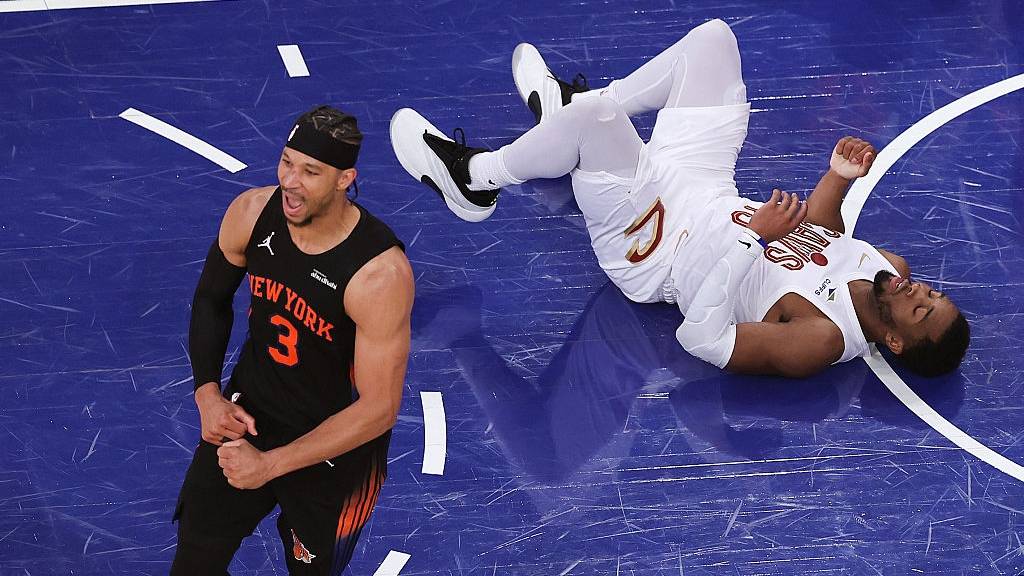
Across the NBA, early January looks like plenty of storylines that center on reset and retooling too — whether it’s Jalen Brunson’s MVP-level run for the Knicks that carried into holiday tournaments or league chatter about trades and roster movement that will dominate headlines in 2026.
January is when athletes do the deep work that doesn’t always make highlight reels. It’s a month of film study, recovery protocols, negotiation recalibrations, rest for battered bodies, and strategic vision forward. It’s when you see leaders in locker rooms and training rooms over the spotlight, and when future legacies get shaped in quiet ways before the world catches up.
For Black athletes, this reset isn’t a break from the mission — it’s the next phase of it. The goals might be the same — championships, contracts, legacy, community — but the strategy evolves. January is where you shore up weaknesses identified in the fall, build physical resilience for the grind ahead, and refine the mental game for the moments that’ll define careers.
And it matters. Because athletes like Collier and Cunningham are navigating not just competition, but health, labor dynamics, and long-term sustainability at the same time they’re asked to perform at elite levels. Meanwhile, stars in football and basketball are carrying narratives shaped by cultural expectation as much as athletic excellence. That’s a lot to balance in a single season, let alone in a single month.
The mission stays consistent: perform, lead, endure, and grow. But January is the month where those intentions get tempered in reality — where strategies sharpen, bodies recover, and the focus becomes less about momentum and more about mastery.