Opinion: America Isn’t Safe for Anyone

Let’s just start by saying it: this weekend was more than tragic. It was confirmation — if confirmation were still needed — that the idea of America as a bastion of safety for anyone is a delusion. A church went up in gunfire and flames in Michigan. People were gunned down at a waterfront bar in North Carolina. And somewhere behind the thick concrete walls of ICE detention centers, lives ended in silence and neglect. If you still think you’re safe — in church, in a club, or in a “cared for” detention facility — I have a bridge you might want to buy.
When a church catches fire and bullets tear through pews, that doesn’t feel like random bad luck. It feels like structural betrayal. Churches are supposed to be sanctuaries — places where people go to pray, to find solace, to build community. The fact that one was attacked, wounded, burnt, and stained with death in Michigan is a stark reminder: safety is a lie. Then, a waterfront bar in North Carolina — music playing, drinks served, conversations flowing — became a murder scene. Three killed, at least eight injured. People who pushed aside daily worries to enjoy a night out ended up in a nightmare. Bars, clubs, parties — places we call escape — now gamble with whether you’ll make it home. These places don’t feel sacred in the way we used to believe sacred. They feel vulnerable.
But let’s not treat the weekend as an aberration. It’s part of a brutal trend. In 2024, the FBI counted 24 active shooter incidents in the U.S., spread across 19 states. Nearly 47,000 Americans died from gun-related injuries in 2023. By one definition of mass shootings — four or more victims — the U.S. suffered 586 such incidents in 2024, leaving 711 dead and more than 2,300 wounded. Even as some metrics dip slightly, “decreasing” is a technical term. It does not feel like safety. Gun violence and its terror footprint are still omnipresent. And for every life lost, tens of thousands of lives have been altered — limbs lost, trauma etched, families shattered. This is not hyperbole. It’s the math of structural neglect plus political cowardice.
Who do we think is protected by background checks that don’t include red flags, safe-storage laws that go unenforced, or the refusal to ban military-style weapons? The people who can afford private security, fortified walls, or who believe their lives matter more. For everyone else — for most people — we live with bullets whispering.

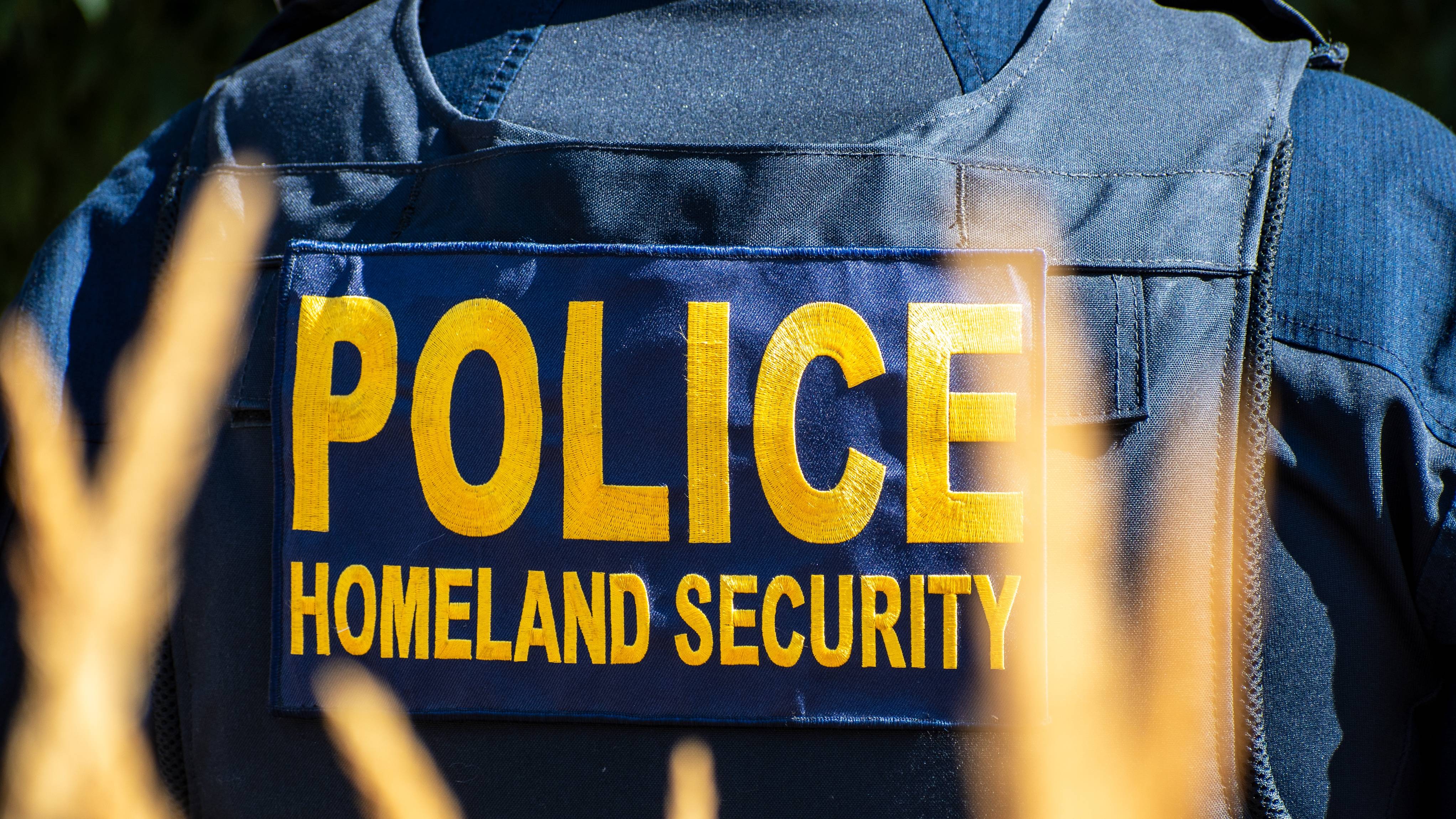
And while bullets and blaze dominate headlines, some deaths happen within walls that rarely see protest signs. The bodies of immigrants in ICE custody vanish into bureaucratic silence. Between 2017 and 2021, ICE reported 52 deaths in its custody, but a report from Physicians for Human Rights and the ACLU concluded that ninety-five percent of those deaths could have been prevented with basic medical care. Conditions inside detention centers remain abysmal: overcrowding, untreated chronic illness, collapsed mental health, neglect, and delayed or denied care. This year alone, the death toll in ICE custody has climbed to at least sixteen. Earlier this month, detainees in Dallas were even fired upon by a sniper, killing one and wounding two more. Imagine fleeing violence, crossing a border for safety, only to die in a cell or in a hail of bullets once you reach “freedom.”
If you think America is unsafe for you, try being someone who enters U.S. custody without citizenship as a buffer. Death in these cages is often silent. It’s slow. It’s bureaucratic. It is systemic violence birthed by neglect and indifference.
What unites the Michigan church, the waterfront bar, and the ICE detention facility is this: America treats people as disposable. Worshipers, dancers, migrants — all become collateral damage. We are told that shocks happen. We are told that lone wolves are unpredictable. We are told that unforeseen tragedy strikes places once sacred or fun. But the pattern is consistent: all over this country, people are dying in places they believed were safe or under protection. We live in a country where the architecture of possibility leans always toward death. How else do you justify leaving safe storage laws weak, refusing universal background checks, allowing conditions in detention centers to rot, or refusing basic accountability for law enforcement and immigration systems alike?
We have lost the ability to imagine dignity in life. Instead, we accept a permanent state of insecurity. And let’s be clear about whose lives are treated as sacred and whose are treated as expendable. If your community is Black or Indigenous or Brown, you already know the odds. If you don’t have a wealthy zip code, fortified walls, or institutional influence, you are a target. If you are undocumented — or navigating a broken asylum system — your death might make zero headlines. Sacred spaces become crime scenes. Clinics become morgues. Detention cells become unmarked graves.
In America, safety is sold as a brand. Gated communities, private security, surveillance cameras, “scare them off” rhetoric — you see it everywhere. But the brand is a lie if the infrastructure doesn’t back it up. If you’re not rich enough to privatize your shield, the state — which is supposed to protect — is not your ally. The state has abdicated in key areas: gun policy, criminal justice reform, healthcare in detention, social safety nets. Politicians fear votes more than violence. We punish more than we prevent. We deny, delay, and deflect medical care. We underinvest in mental health and community resilience. The result is fragile lives in fragile systems. And when everything cracks, we get the weekend headlines.
Every weekend now feels like a rehearsal for death. Church shootings. Bar massacres. Grocery store bloodbaths. These are not anomalies. They’re modes of expression. Violence isn’t just kinetic. It’s also structural. The silence behind ICE deaths, the waiting for insulin, the neglect of mental health care, the erosion of rights, the hyperpolicing of poor neighborhoods — that is violence too. That is death by inches. We normalize how unpreventable bullets are and how inmate deaths are treated as part of the job. We focus on the spectacle while ignoring the steady drip of daily death.
And so we face a choice. Demand or be consigned. Demand that safety be redefined as a right — not a privilege for the wealthy, the white, the documented. Demand gun reform that actually means something: background checks without loopholes, bans on military-grade weapons, enforcement of safe storage, real consequences for negligence. Demand transparency and accountability in ICE detention, in policing, in any institution that uses force or deprives liberty. Demand that medical and mental health care are treated as basic rights, whether you’re free or detained. Demand reinvestment in communities that have been gutted by systemic neglect. Demand radical empathy. Because without it, the disposability of life will continue to be the American project.
Let me say it again: America isn’t safe for anyone — not the worshiper, not the partygoer, not the person in custody. If your life is worth protecting, you can’t depend on virtue in policy, benevolence in systems, or goodwill in leaders. You have to demand it. You have to fight for it. If the people in that Michigan church, in that North Carolina bar, or behind the walls of ICE detention centers mattered to you — not in abstract, but in flesh and bone — we would have different rules. We would have real safety.
So yes, America is unsafe. That has always been true — the violence was always baked in. What’s new is that we’re seeing the cracks so wide, so bare, we can’t pretend them away anymore. Wake up. Demand more. Refuse the disposability. Because until we reclaim safety as a right, not a privilege, none of us are safe.