Yehiel Curry Makes History as the First Black Presiding Bishop of the Evangelical Lutheran Church in America

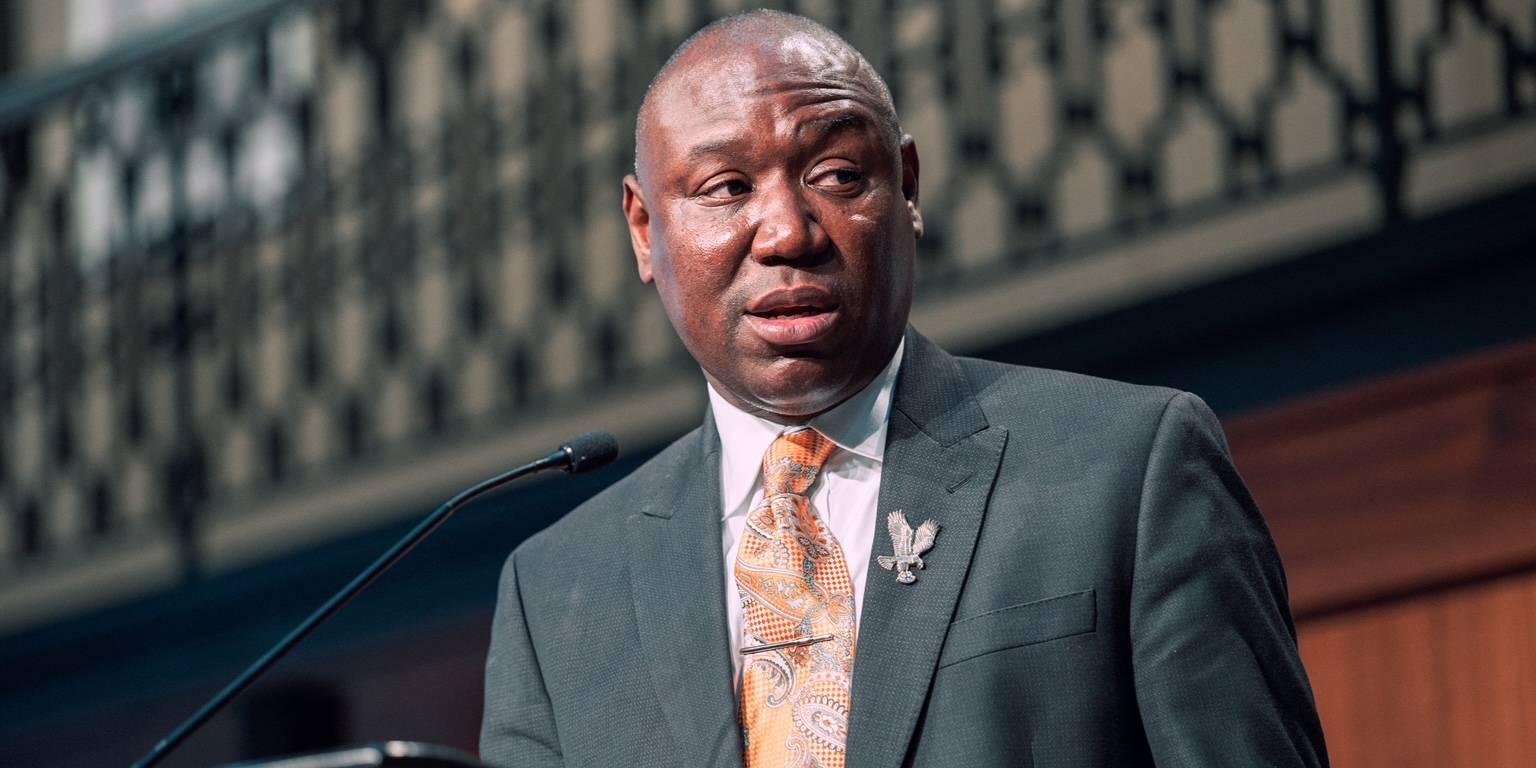
History was made this week when the Evangelical Lutheran Church in America (ELCA) elected Yehiel Curry as its first Black presiding bishop, according to CBS News. The vote marks a milestone for a denomination long viewed as one of the whitest in the country — both in membership and leadership.
Curry, who previously served as bishop of the ELCA’s Metropolitan Chicago Synod, steps into his new role at a time when organized religion in America is at a crossroads. Churches across denominations are grappling with declining attendance, generational shifts in belief, and long-overdue reckonings on race and inclusion. But for many Black Christians watching from both inside and outside the Lutheran fold, this moment is about more than ceremony. It’s about what genuine representation looks like — and whether it can truly exist within institutions built without us in mind.
For centuries, Black faith has been the heartbeat of resilience in America — from hush harbors to the modern megachurch. Yet, in predominantly white denominations like the ELCA, Black congregants often exist on the margins: present but rarely centered, visible but not empowered. The ELCA’s own statistics show that less than 2% of its 3-million-plus members identify as Black.
That’s what makes Curry’s election both groundbreaking and fraught. It’s a door cracked open — but what’s on the other side remains to be seen.

When a system that’s never prioritized diversity elevates a Black leader, the celebration is often paired with skepticism. Will he be supported or merely symbolized? Will the institution change with him, or expect him to bend to its comfort zones?
Representation without transformation can feel like decoration. It’s one thing to put a Black man at the podium; it’s another to change the culture that made his presence an anomaly in the first place.
Still, Curry’s rise matters. It sends a message to younger generations of Black clergy and congregants who’ve long felt that faith leadership outside of the Baptist, AME, or Pentecostal traditions wasn’t for them. It also reminds us that Black spiritual leadership isn’t defined by denomination — it’s defined by service, justice, and the willingness to challenge systems of exclusion from within.
Curry’s ministry has been rooted in Chicago’s South Side, where he founded Shekinah Chapel, a congregation known for community outreach and youth empowerment. His theology has always been one of proximity — being with the people, not above them. That background makes him uniquely equipped to bridge two worlds: the social realities of Black faith and the institutional rigidity of a predominantly white denomination.
But that bridge-building comes with pressure. Black leaders in white religious spaces often shoulder a dual burden — representing diversity while navigating structures that resist deep change. They’re expected to “fix” representation without making anyone uncomfortable. It’s a balancing act between prophetic truth-telling and political diplomacy.
For Black Lutherans — and for those who’ve left traditional churches altogether — Curry’s leadership is a reminder of what’s possible when inclusion isn’t performative. It’s also a test of whether the ELCA is ready to practice what it preaches.
Because the real work doesn’t begin with an election — it begins with what happens after the applause. Will the denomination address racial disparities in leadership pipelines? Will it make room for Black worship traditions and cultural expression? Will it confront the implicit bias that still shapes who feels welcome in the pews?
If the answer is yes, then this moment won’t just be history; it’ll be progress.
Curry’s election is proof that faith can evolve — that the spirit of justice can move even through centuries-old institutions. But representation in itself isn’t the finish line. It’s the starting point for accountability.
As more churches — from the ELCA to Catholic and evangelical spaces — face pressure to diversify their leadership, the question remains: when doors open, will they lead to freedom, or just another hallway lined with gatekeepers?
For now, Bishop Yehiel Curry stands as a symbol of what’s possible when faith meets courage. The challenge ahead is ensuring that his presence transforms more than headlines — it transforms hearts, congregations, and the very definition of who belongs in the house of God.