Opinion: The Attack on Somali Communities Is a Warning to Us All

There’s a long, tired tradition in this country: when the political stakes get high, some people reach for the same old playbook — scapegoat the most vulnerable, fearmonger about Black and Brown immigrants, and wrap it all in the language of “safety” and “security.” We’ve seen it before with Muslims, with Mexicans, with refugees fleeing war, and now it’s being recycled and hurled directly at Somali communities in the United States.
Let’s be clear: telling Somali people that they “add little” to this country, that they should “go back to where they came from,” and calling them “garbage” isn’t policy. It’s not debate. It’s not leadership. It is racism, full stop. It is xenophobia, plain as day. And it is an intentional tactic — one meant to dehumanize, divide, and distract.
Somali Americans are not new here. They are nurses, teachers, engineers, business owners, elected officials, factory workers, artists, students, caregivers, activists — part of the very fabric of places like Minneapolis, Columbus, Seattle, Atlanta, and beyond. They’ve built mosques and businesses, raised families, mentored youth, and contributed to local economies in ways that can be measured in billions. They’ve also contributed in ways that can’t be quantified: community, culture, resilience, and joy.
But none of that matters to someone who sees political value in demonizing an entire nationality.

What we’re witnessing today is the revival of a racist trope older than America itself — the idea that certain Black immigrants are inherently undesirable, inherently lesser, inherently incompatible with this nation’s values. Replace the target and the year, and it’s the same rhetoric used against Haitians in the ‘90s, Nigerians in the 2000s, Central Americans in the 2010s, and Syrian refugees not too long ago.
It’s a strategy: Dehumanize → criminalize → justify oppression.
And as history shows, once that door opens, it rarely stops with one group.
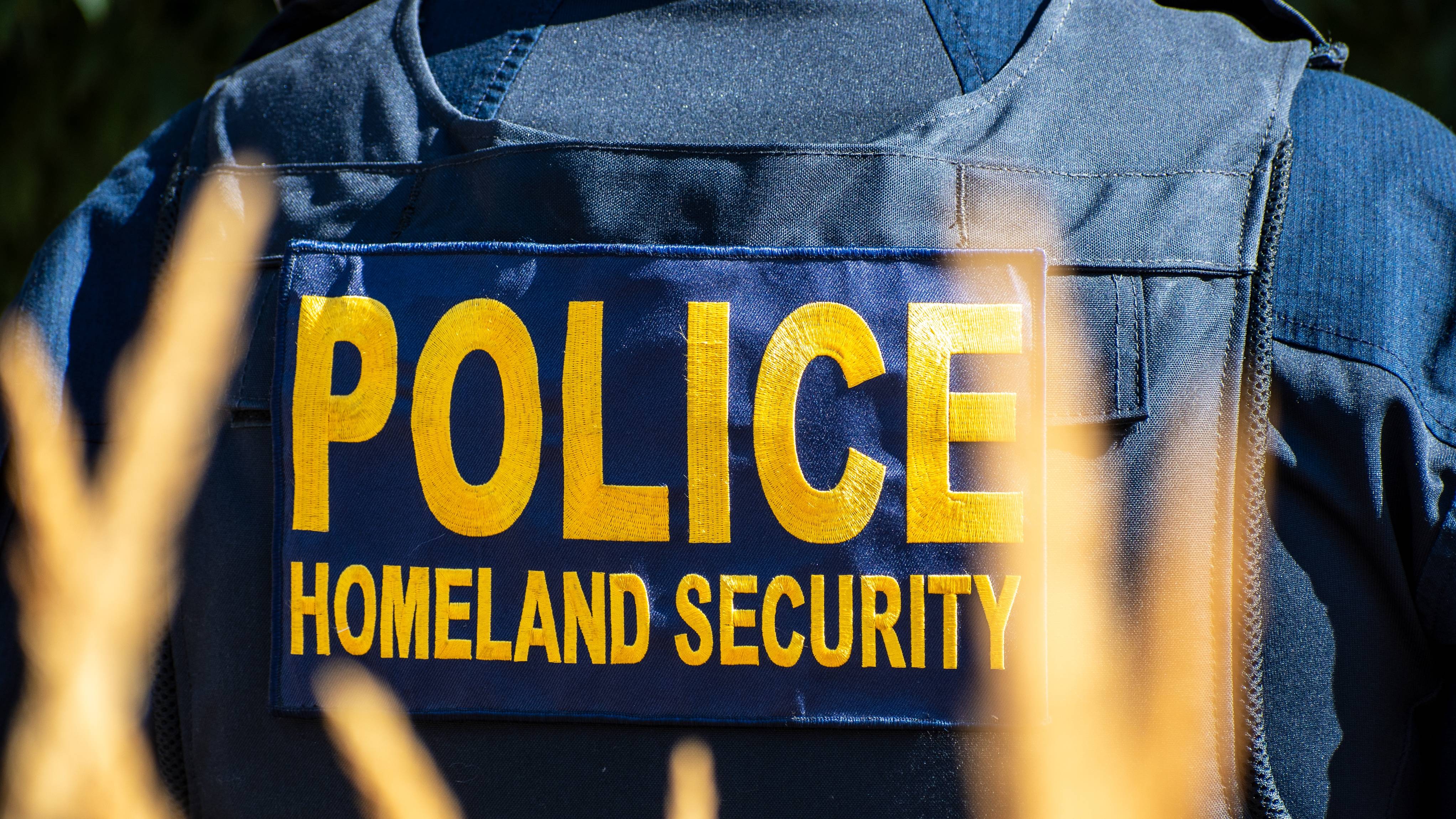
What makes this moment especially dangerous is how comfortably these attacks are being paired with the threat of targeted enforcement actions. When demeaning language escalates into government-sanctioned scrutiny — raids, sweeps, surveillance — we’ve entered a far darker conversation about civil rights. About who is allowed to belong. About whose humanity is negotiable.
Leaders who weaponize fear are counting on the public to shrug, to normalize this kind of rhetoric as “tough talk,” and to believe their lies about who deserves dignity. But we don’t have to play along. We can recognize exactly what this is: an attempt to turn Somali people into political punching bags because they are Black, Muslim, and immigrant — a triple threat in the eyes of those who thrive on division.
And we can also recognize the strength of the communities being targeted. Somali families have survived civil war, famine, displacement, and the impossible task of rebuilding life in a country that often treats them with suspicion. They’ve raised generations of kids who now sit in Congress, run corporations, thrive in STEM fields, and lead community institutions. That is not “garbage.” That is excellence born from struggle.
The real question is what everyone else will do in response. Because this isn’t just about one community — it’s a test for all of us. A test of whether America is done repeating the same ugly patterns, or whether we’ll stand by silently as another group is vilified for political gain.
Racism doesn’t always appear in a hood or a slur. Sometimes it shows up in a press conference, in the language of “concerns,” in the offhand swipe at an entire nation of people, in the shrugging dismissal of their worth.
But Somali Americans deserve better — and so does the country they’ve helped shape.