Howard University Announces Sudden Departure of President Ben Vinson III

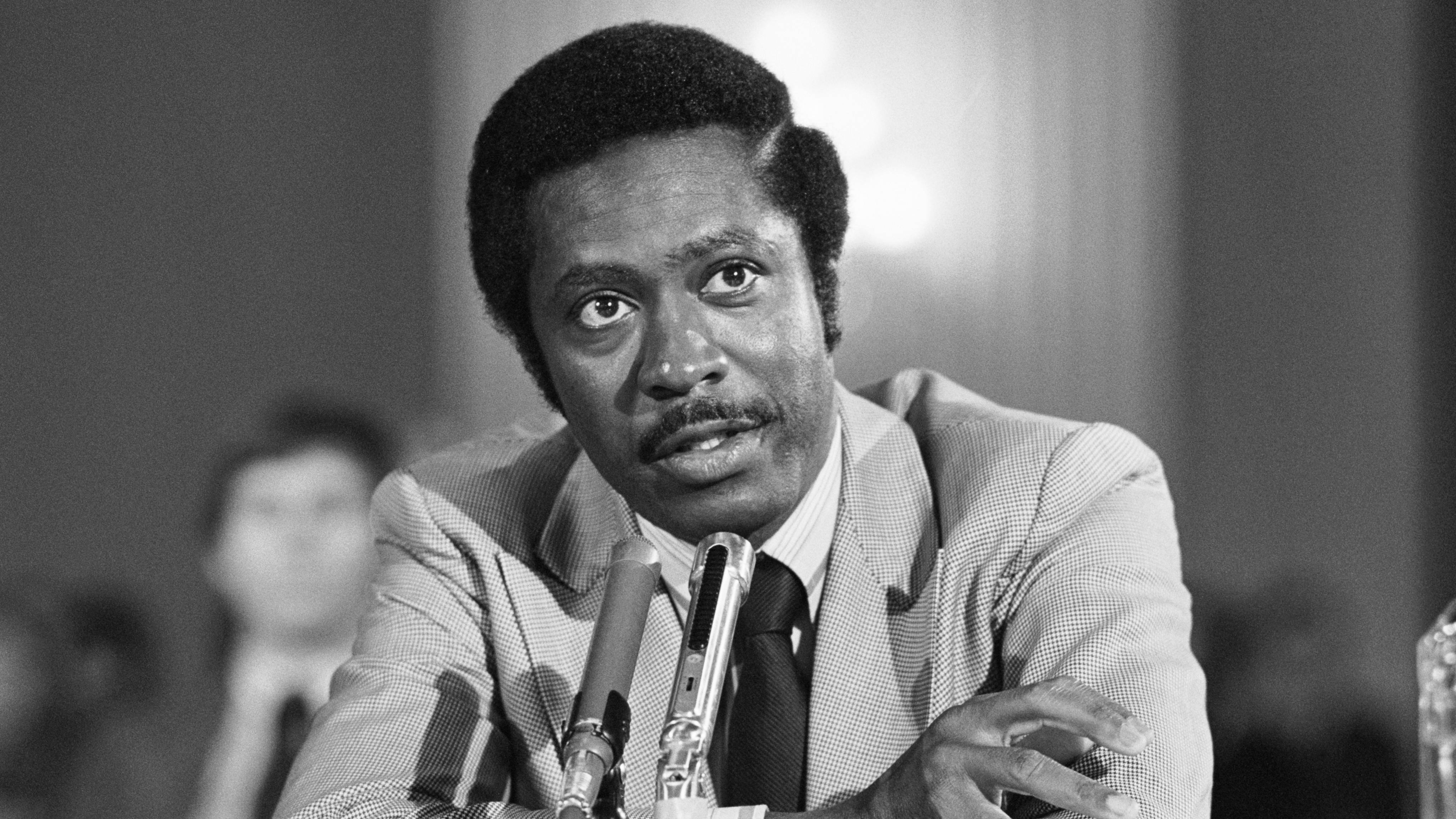
Howard University announced Friday that its president, Ben Vinson III, will leave his role at the end of the month, ending a tenure that lasted just two years—one of the briefest in the school’s history.
The university did not explain the reason for Vinson’s departure. In recent months, however, Howard has faced financial and administrative challenges, including the threat of significant federal budget reductions and student complaints about billing and housing.

“We extend our sincere gratitude to Dr. Vinson for his service and leadership as president,” said Leslie D. Hale, chairwoman of Howard’s Board of Trustees. “We extend our very best wishes to him in his future endeavors.”
In the university’s announcement, Vinson said he would be “taking some time to be with my family and continue my research activities.”
Howard’s board appointed Wayne A. I. Frederick, Vinson’s predecessor, to serve as interim president. In its statement, the university said Frederick’s “deep institutional knowledge and proven leadership will ensure stability, continuity, and continued progress as we navigate complex social challenges and shifts in the higher education landscape and chart the university’s next chapter.”
The federally chartered HBCU, based in Washington, receives a quarter of its revenue from the government. Earlier this year, the administration proposed cutting Howard’s federal contribution by $64 million, to $240 million. A Senate committee later supported a $50 million reduction, tied to hospital construction funding no longer deemed necessary, but rejected broader cuts to operating funds.
On campus, frustrations also mounted. According to The Hilltop, Howard’s student newspaper, account balances unexpectedly spiked due to technology delays, and some students were threatened with collection actions. The university said it was “taking active steps to assist students experiencing challenges related to financial aid and account balances.” The outlet also reported complaints over the number of students placed in off-campus housing.
In a video statement, Hale acknowledged that the board was aware of “legitimate concerns that have been raised by students regarding student accounts and housing assignments,” though she did not directly connect those issues to the leadership transition.
Despite the turbulence, Howard has celebrated major milestones. In February, it became the first HBCU to earn Research One status in the Carnegie Classification, reflecting high levels of research spending and doctoral education. The school has also seen enrollment growth, climbing to nearly 15,000 students last fall compared with fewer than 10,000 in 2019.
Howard also remained in the national spotlight last year when Vice President Kamala Harris, a 1986 graduate, hosted her election watch party on campus and delivered her concession speech there.