Black Models Claim ‘The Price Is Right’ Hid a Toxic and Racist Work Environment

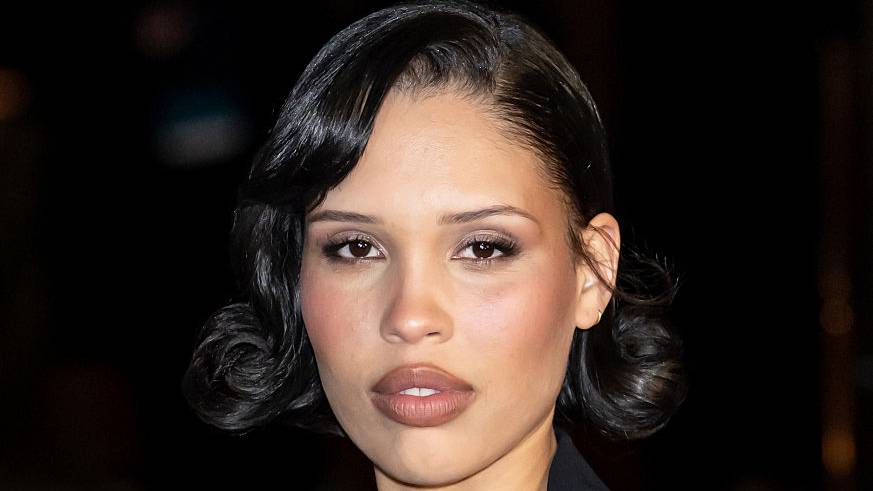
For decades, “The Price Is Right” looked like the kind of bright, harmless TV people could grow up trusting. But according to new accounts from former Black models, aka “Barker’s Beauties,” Kathleen Bradley and Claudia Jordan, the reality behind the scenes was far less cheerful.
According to reports, the two women are speaking out in E!’s “Dirty Rotten Scandals,” sharing painful details about racism and mistreatment during their time on the show.
Bradley, who became the first full-time Black model on “The Price Is Right” in 1990, said the backlash came from both fans and people inside the production. Bradley said, "At some point it got back to me that some of the fans were writing negative things about me being on the show, as a Black model.” She recalled hearing that, during production meetings, staff used the N-word when the models were not in the room. Bradley also said she and fellow model Janice Pennington filed a wrongful termination suit after losing their jobs, though she said the women eventually reached a settlement.
Jordan’s account was even more pointed. In the documentary, she said she heard producer Phil Wayne make stereotypical comments and recalled being told, “Let’s make a reverse Oreo, Claudia, you get in the middle of the two white models.” She also said he referred to her as the “*ss model,” linking the language to racist assumptions about Black women’s bodies. Jordan further claimed there were limits on the number of Black contestants allowed on the show at one time and said that rule came directly from Bob Barker.
The documentary also revisits the broader hostility around Barker’s tenure, including allegations from other former models about pressure, retaliation, and a show culture that asked women to absorb discomfort and keep smiling.
Barker died in 2023, and his longtime representative denied misconduct allegations, calling him beloved and “the greatest MC in TV history.” But the women’s testimony adds another layer to a long-running conversation about how Black women were treated in spaces that sold themselves as family-friendly entertainment.