A Former Plantation Becomes a Center for Reconciliation

In Harpersville, Alabama, a long-running dispute over access to a cemetery has led to a rare experiment in racial reconciliation on land once worked by enslaved people, according to The Washington Post (WaPo).
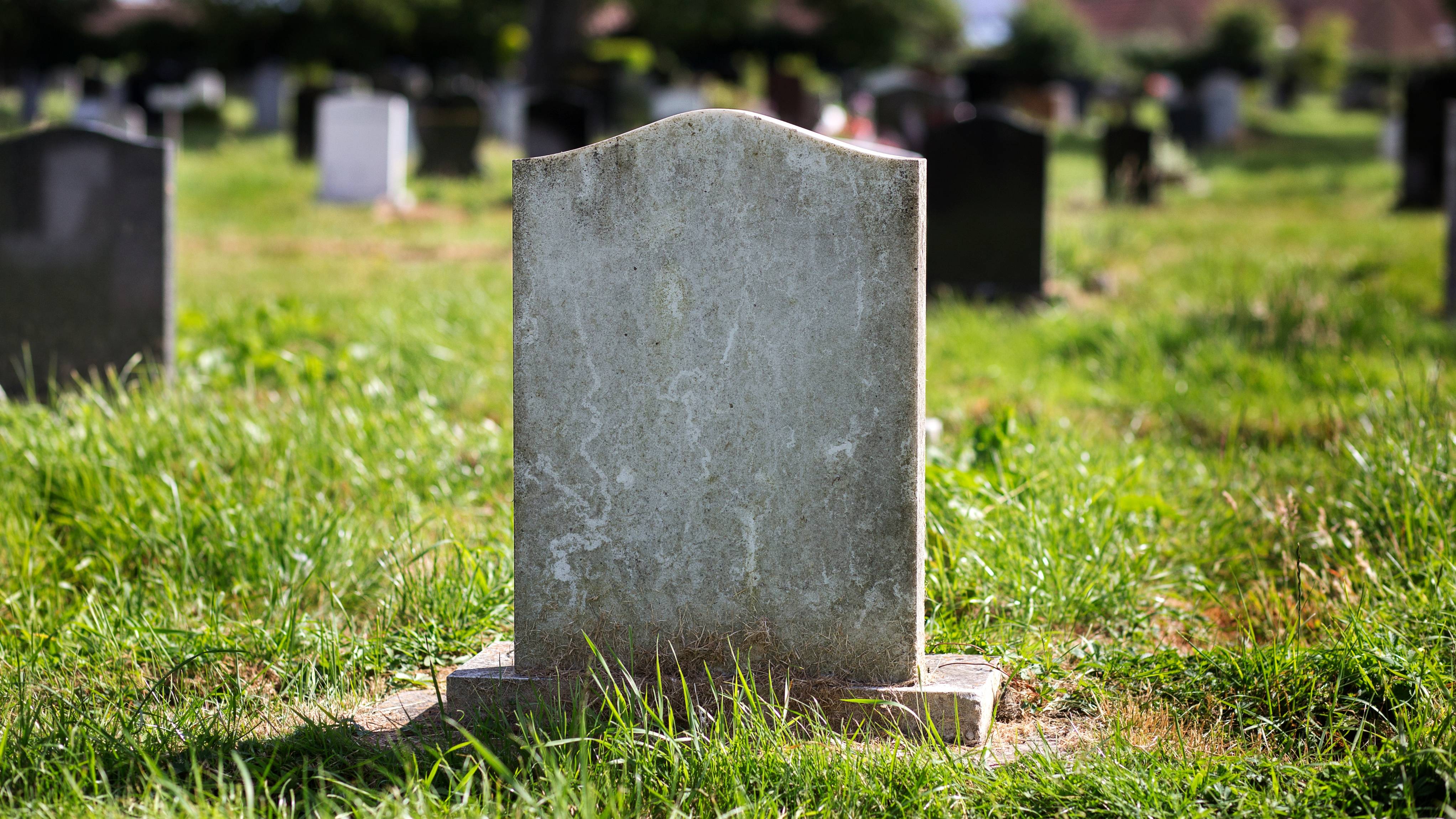
For decades, Black families tended the section of the burial ground where their ancestors — enslaved laborers and eventual sharecroppers — were laid to rest, while white descendants of the Wallace family, one of Shelby County’s largest enslavers, maintained their own portion.

But in the early 2000s, access to the Black section was blocked by a fence. When relatives of Bill Parker, a Wallace descendant, returned in 2018, Harpersville mayor and pastor Theoangelo Perkins appealed to them directly, explaining that generations of his family were buried there. The family quickly agreed to reopen the cemetery, setting off broader conversations about how to confront the plantation’s history.

That process reshaped the role of Nell Gottlieb, Parker’s cousin, who had inherited the Wallace house. She eventually donated the plantation home to a nonprofit, the Wallace Center for Arts and Reconciliation, co-led by Perkins and other descendants, according to WaPo.
At its height in the 19th century, the Wallace plantation spanned 5,000 acres and was labored by nearly 100 enslaved people. Today, cotton still grows in its fields. Many Black families remained there as sharecroppers well into the 20th century, and Harpersville’s racial and economic divides persist — nearly a quarter of Black residents live in poverty compared with 6 percent of White residents, WaPo reported.
As BET previously reported, their story underscores that of other Black families facing challenges with access to cemeteries where their families are buried due to white ownership.
Since its founding, the Wallace Center has raised $1.5 million in assets, partly through donated land from White descendants, and funded scholarships and public programming in an attempt to rebrand the history of the plantation.
However, WaPo points out that the reconciliation attempts aren’t tenfold. Some Black families remain cautious about whether their stories will be fully and accurately honored through a culturally competent lens. Meanwhile, white descendants are also debating how much restitution should be offered.
“It no longer belongs to the Wallace family,” Gottlieb told WaPo about the land. “It belongs to the community. They can sell it tomorrow, and I would have to be okay with that.”