Jabari Peoples Was Shot in the Back by Police. His Family Still Hasn’t Seen the Footage

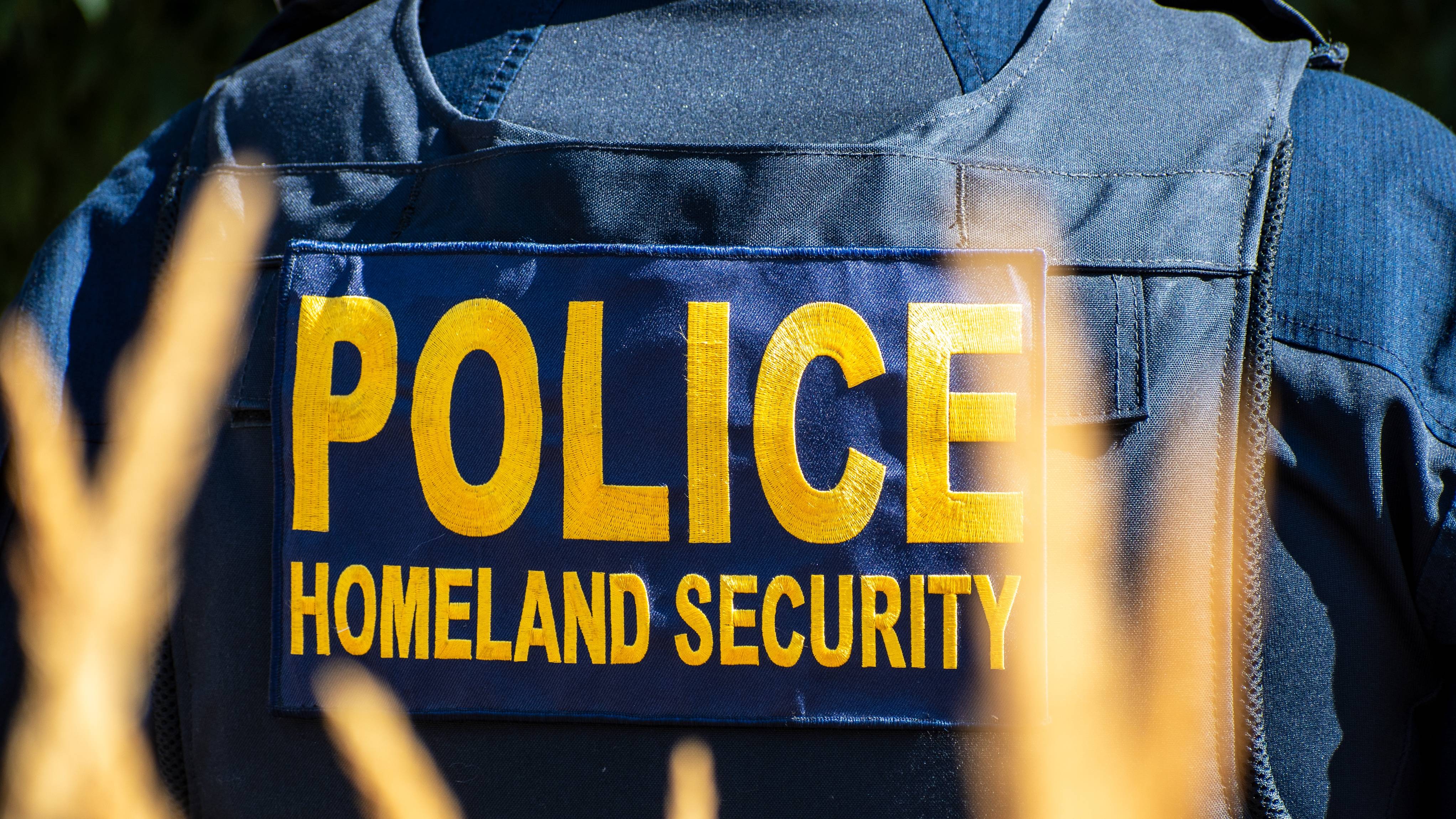
Alabama state police are refusing to release body-camera footage of the fatal shooting of 18-year-old Jabari Peoples,—citing a transparency law authored to expand access to such videos, according to the family’s attorney. The details of the June 23 encounter are contested. Authorities claim Peoples reached for a gun located in the car door during a confrontation with the officer. However, his family asserts he was unarmed.
The Peoples family has been locked in a prolonged dispute with law enforcement, demanding the release of body-camera footage from the incident. At the center of this standoff is a police transparency law introduced by state Rep. Juandalynn Givan (D), following the wave of Black Lives Matter protests two years ago. The disagreement has prompted demonstrations, public petitions, and strong criticism from civil rights attorney Leroy Maxwell Jr., who argued, “Givan and her legislation have done enough harm to the justice for Jabari movement.”
According to Maxwell, the Alabama Law Enforcement Agency (ALEA), which is handling the investigation, “cited the law she sponsored as the reason they are not releasing the footage.”
In recent years, fueled by public outcry over the killings of Black Americans by police, many states passed body-camera legislation and invested heavily in the technology. Yet, many of these laws fall short of their intended transparency.
Nancy La Vigne, dean of the Rutgers School of Criminal Justice in Newark, explained that officers often exploit legal exceptions to limit video access, noting, “In almost every state in the country, even when there’s rules for public access, police have an escape valve. They can always claim that it would jeopardize an investigation that’s in progress in some way,” adding, “You would think if anyone would be able to view the footage, it would be family members.”
States like Oklahoma, Indiana, and Michigan adopted laws between 2015 and 2017 that permit authorities to hold back or edit footage if releasing it could interfere with ongoing investigations.