Black Creators Push Back on “Exposure” Culture, Demand Equity

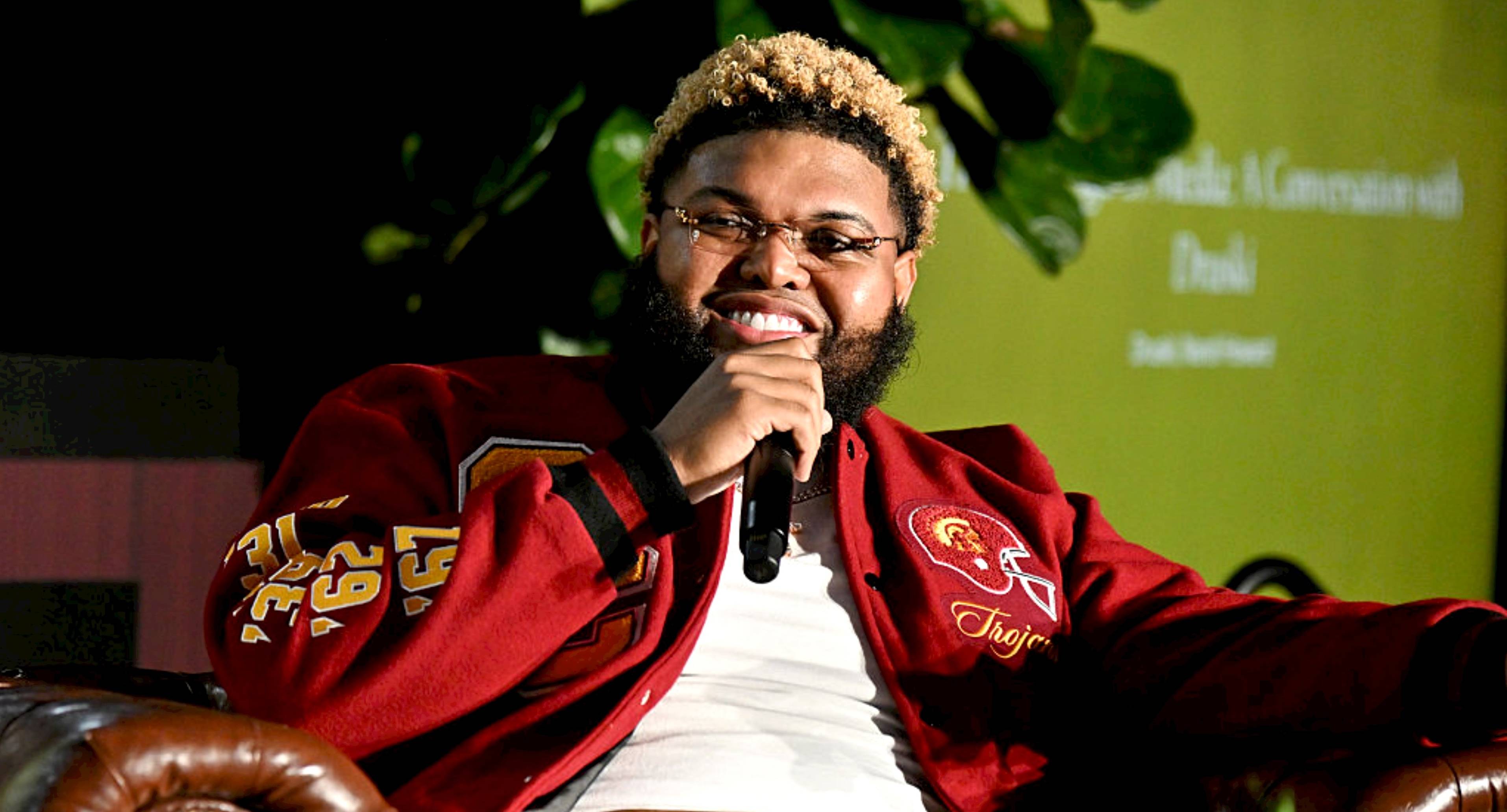
For years, Black creators have been praised for their visibility—whether on social media or the red carpet—but behind the scenes, the fight for real equity is far from over. For entrepreneur Devin White, founder of streaming platform Blacktivity, and independent filmmaker Mary Pryor, the conversation is shifting from exposure to ownership.

The Illusion of Exposure
White's journey began with a vision to create an authentic space where Black and BIPOC creatives could thrive without the strings attached that often accompany mainstream opportunities.
"I wanted a space that was authentic and gave more than it took," he explained. "Blacktivity always was going to be an on-demand streaming platform, but we always wanted it to be a community as well, where people had access to resources and information that they didn’t have to pay to get into a room to have a conversation or to get answers."
White’s frustrations with the predatory nature of the entertainment industry, which often positions Black creatives as tokens rather than stakeholders, led him to prioritize community over quick wins.
Blacktivity launches this summer, as the first Black-owned, creator-led nonprofit streaming platform designed exclusively for Black and BIPOC creatives. Built on a foundation of ownership, equity, and purpose, the platform aims to transform the creator economy operates—and who it works for. The equity-first streaming platform offers 50–60 percent ad revenue share, exclusive creator resources, and a growing lineup of original BIPOC content—all with a mission to rebuild the creator economy from the ground up.
"I think through and through, there's a very predatory type of environment that's been developed around specifically Black folks' need for opportunity," he said. "When you have a community of people who don't begin with equity, it becomes harder for them to navigate those circumstances, and they end up being really held back."
The Pay Gap Reality
The disparities White highlights are reflected in industry data. A study by MSL U.S. and The Influencer League found that Black influencers, on average, earn 35 percent less than their white counterparts. This gap is even more pronounced on platforms like Instagram, where Black influencers make 67 percent less than white influencers for stories content.
These disparities persist despite Black creators' significant impact. Research by Group Black and Nielsen revealed that Black lifestyle creators deliver 10.5 times the media value of non-Black creators in key categories like fashion, lifestyle, and gaming.
Ownership Over Visibility
Mary Pryor, co-director of the documentary Kiss My Grass, emphasizes the importance of ownership in storytelling. "People are not reading; they’re watching videos," she explained. "So for me to even do media on this and to launch something that way, I need the visual to be as captivating and storytelling-driven so people want to talk about it."
Pryor's fight extends beyond storytelling. She insists that real equity means Black creators must own their narratives and not just be the face of diversity initiatives. "We’re falling for the lie that Black people cannot execute and that we don’t deserve to get what we need based on how this country is trying to create these anti-DEI narratives," she said. "That’s bad for everybody’s business, especially in cannabis."
The disparities Pryor highlights are reflected in industry data. A study by the National Partnership for Women & Families found that Black women directors and producers make just 68 cents compared to their white, non-Hispanic male counterparts. Even though these gaps are within an occupation, they are nearly as large as the overall wage gaps for Black women. This data serves as a critical reminder that acclaimed actresses may be both famous and highly under-compensated—the two are not mutually exclusive.
Pryor calls for industries to move beyond superficial diversity measures.
"We’ve got to be able to siphon the bleeding and wake people up," she said. "Otherwise, we’re in grave danger of letting the push for equity be nothing more than a trend."
Her message is clear: Black creators are done settling for exposure. Now, they’re demanding ownership, accountability, and lasting change.
A Call to Action
Both White and Pryor advocate for systemic changes that prioritize equity over exposure. White emphasizes the need for fair compensation structures, noting, "Viewership is Black currency. Whatever we watch dictates culture, and that’s always been the case."
Pryor calls for industries to move beyond superficial diversity measures. "We’ve got to be able to siphon the bleeding and wake people up," she said. "Otherwise, we’re in grave danger of letting the push for equity be nothing more than a trend."
Their message is clear: Black creators are done settling for exposure. Now, they’re demanding ownership, accountability, and lasting change.