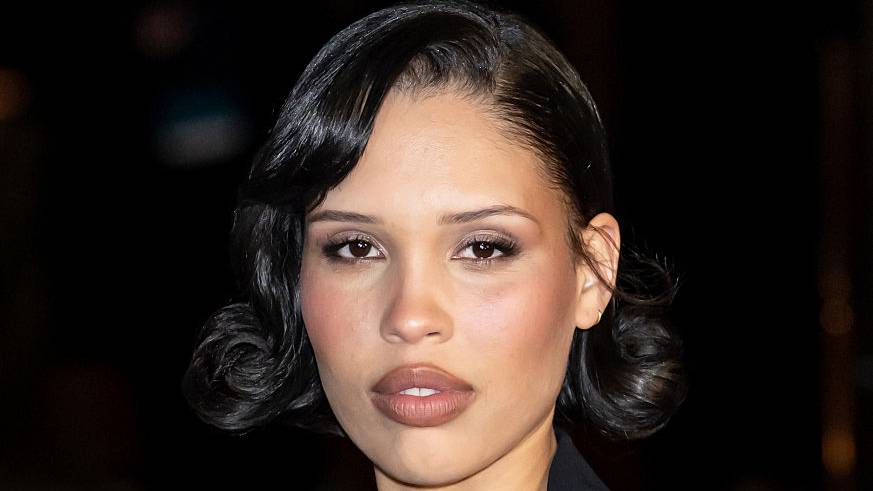
From Lolla to Headliner: Doechii’s Live from the Swamp Tour Is the New Blueprint for Black Pop Stardom

For 50 minutes on August 2, Chicago’s Grant Park became “Doechii‑Palooza.” With oversized school desks, a boom-box throne, and voguing dancers, she performed a set titled “Doechii’s School of Hip-Hop”—a kinetic hybrid of rap clinic, dance theatre, queer ball culture diplomacy, and pop protest art. In a scene-setting moment, she announced what had long felt inevitable: her debut headlining tour, Live from the Swamp, launching October 14. Cameras then cut to a countdown on livefromtheswamp.com, cueing eight-hour fan alarms the world over. Her energy at Lolla wasn’t just attention—it was motion.
So why does this shift—from viral TikToks and Grammy nominations to a headliner stage—matter? Because Black pop stardom has spent too long trending on likes and metadata. With Swamp, Doechii is teaching us what domination looks like: it reverberates live.
Beyond the Algorithm: The Power of Black Live Economics
In 2024, Doechii earned her Grammy for Alligator Bites Never Heal, and her single “Anxiety” cracked the Billboard Top 10, thanks to TikTok virality. That’s textbook 21st‑century breakout. But streaming royalty isn’t touring royalty. Until now.
Every major Black woman artist chasing longevity—from Beyoncé’s $600M Renaissance stadium tour to SZA’s Grand National Tour co-headlined with Kendrick Lamar—has anchored success in live performance. These artists turned their melodies into economic power plays. Doechii now moves on that currency, and her site’s countdown wasn’t marketing—it was the sound of revenue signaling institutional trust.
This moment is about more than ticket sales—it’s about who controls the stage, the story, and the story arc. And when Black people globally show up for that, we’re building our own economy beneath capitalism’s algorithm.
Doechii didn’t just perform songs—she taught. The show structure felt like Missy Elliott meets Doug E. Fresh in makeshift schoolrooms, with measurements for generations and lessons on Black excellence wrapped in nostalgia. It was cultural grammar ideology: Black daughters leaning into legend so they don’t lean into silence.
It was a queer homage, too. When she called out, “Where my gays at?” and the dancers opened their voguing hands, she was teaching ballroom's Black origins to a festival crowd—public pedagogy without apology. And when JT from City Girls emerged from under the Met‑Gala umbrella prop during “Alter Ego,” it wasn’t just guest chic—it was history of Black women in music reclaiming a moment.
Owning the Blueprint: From Stages to Strategy
Doechii isn’t waiting for the gatekeepers. In Chicago, she ended with: “Before we get out of here… I’m gon’ be going on tour October 14. What’s up y’all? Bye!” The conference was the announcement. The drop was the set. The re‑direct to her tour site was the press release.
This isn’t just confidence—it’s the playbook. She teased on her own terms. She didn’t beg for validation from playlists or brand influencers. She made her fans earn the invitation. This is inspired Black femme marketing that doesn’t need an algorithm to baptize it.
The artist-as-own-team model was declared, then leveraged: no viral filter, no label-driven reveal, just the field—Black fans, queer fans, anyone dying for choreography and community.
Yes, streaming numbers matter. But swamp tour is about life-sized affirmation: bodies, bass, wardrobe statements, live renditions of Black woman presence as power. She’s not just charting next moves—she’s camping them.
The tour itself will double as analysis of a larger reality: what late-stage capitalism keeps forgetting is that Black creativity is born in community, sustained by love, and should be monetized on our terms. Pop stardom is not only about follower counts; it’s about stamina.
Still, post-tour success isn’t guaranteed. Artist for artist, when SZA and Kendrick did their Grand National Tour, they took real industrial risk—but they were backed by megabrand synergy. Doechii traverses higher stakes each fall: smaller venues, single-headlining exposure, and the pressure to prove the old thresholds were always artificial.
If ticket sales falter, we’ll hear about “market limitations” or press labels calling her “too niche.” But the real question is the agenda: is Doechii being allowed to fail back into the museum of Black talent rather than the archive of sustainable legacy? Her coming success—or lack thereof—will be a test not just of her fandom, but of the industry’s appetite for investing in Black stardom beyond the hype cycle.
What Doechii’s Blueprint Means for Black Pop Futures
Black pop artists shouldn’t just aim for choreographed sequences on TikTok—they should aim to headline tour legs that sell out cities and sustain grassroots economies long after the single drops. This is her legacy blueprint:
- Own your narrative arc, don’t wait for it.
- Live shows > playlist placement.
- Branded chaos—not flavor-of-the-month.
- Cultural guardianship(midnight shows, queer joy, storytelling) as resistance.
Doechii has pulled the script forward. She commands the stage, then the site, then the ticket. Her tour might end in cities, but its roadmap begins in Black community—not data-mined virality.
Final Word: From Alligator Bites to Swamp Sessions
In a world that benchmarks Black success in streams and “like” ratios, Doechii just made it crystal physics: Black pop greatness can begin with sound—but converge with stage electricity. From her debut mix to her joint with JT, she’s confirmed the old songs: that the dream of stardom must live and be felt—not only seen and DM’d.
If you look closely, Live from the Swamp is a cultural landmark.
Because for Black women artists, this blueprint isn’t a fleeting framework—it’s a lineage claim.