Karmelo Anthony Bodycam Footage Brings New Attention to the Austin Metcalf Case

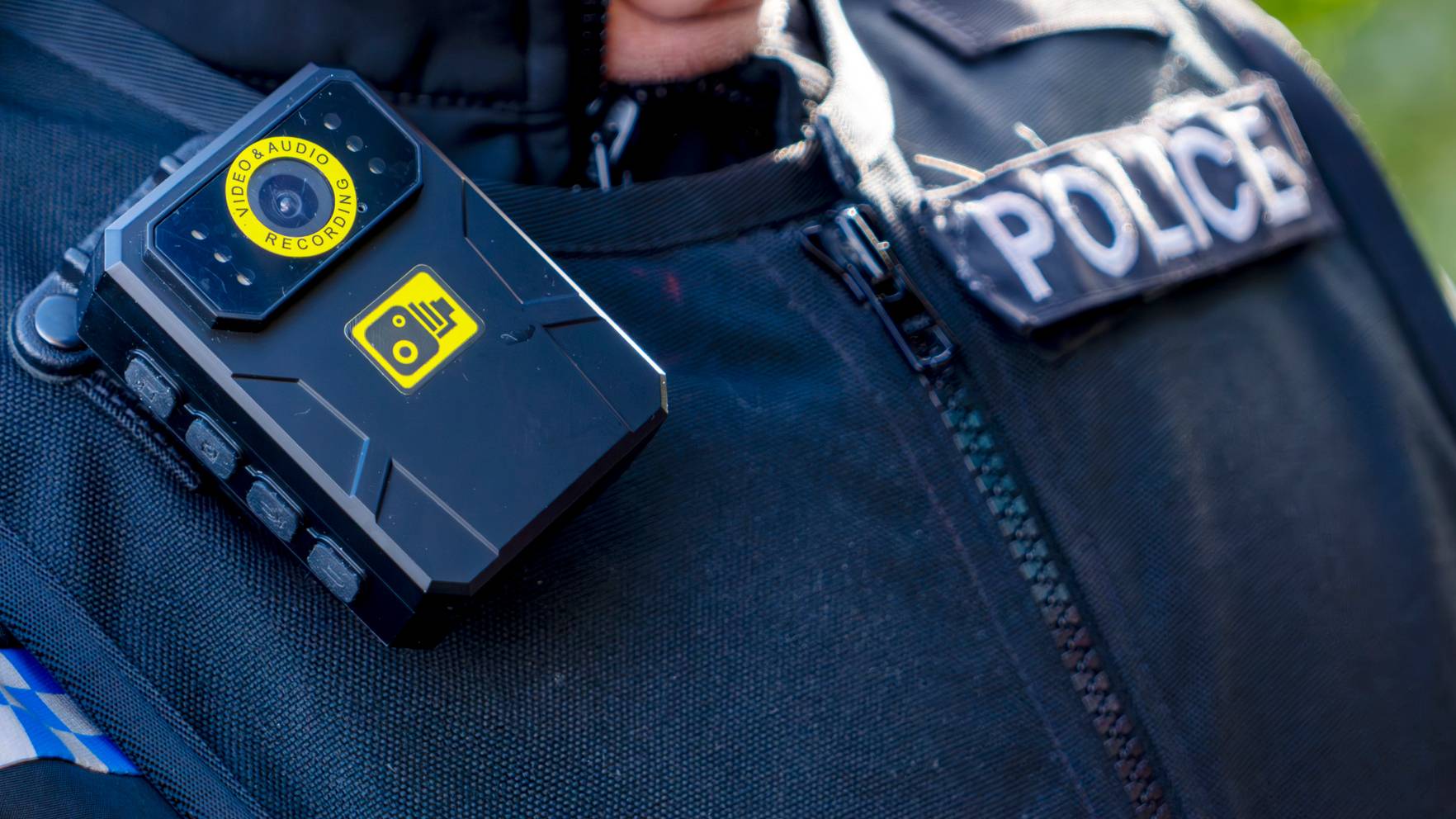
Newly released bodycam footage is giving the public another look at the aftermath of the fatal Texas track meet stabbing that put Karmelo Anthony at the center of a closely watched case.
The video was shared by the Associated Press after Anthony was convicted of murder earlier this month. Footage shows the then-17-year-old in handcuffs as officers search him, escort him to a police car, and question him following the death of Austin Metcalf, 17. In the footage, Anthony can be heard crying and saying, “He put his hands on me. I told him not to, but he put his hands on me.”
According to the AP, the footage was released as part of a batch of evidence after the trial ended, and it includes both bodycam video and surveillance video from the scene in Frisco, Texas. The surveillance footage shows a rainy stadium and a figure in a gray sweatshirt running from behind a yellow tent, tripping, getting back up, and moving along the fencing near the track before meeting with others and ultimately being confronted by police. Anthony obeys officers’ commands, starts crying, and is placed in the back of a police cruiser.
The case traces back to April 2025, when Metcalf was fatally stabbed during a high school track meet after what authorities said began as an argument over a tent. Anthony had claimed self-defense, but a jury rejected that argument and convicted him of murder. He was sentenced to 35 years in prison and will be eligible for parole after serving half of that term, according to People.
The trial also sparked controversy ahead of the verdict, with People reporting that no Black jurors were selected for the jury. Prosecutor Bill Wirskye told NBC News that the case “has nothing to do with race” and described it as “unjustified provoked murder.” Metcalf’s mother later remembered her son in court as a “peacemaker” and a “protector,” underscoring just how deeply the case has affected both families and the broader public conversation around it.
The new footage does not change the verdict, but it does add another layer to a case that has already been watched, debated, and dissected far beyond the courtroom.