Opinion: This Is How Civil Wars Begin

America often tells itself comforting lies about civil war. We tend to see it as something from the past, finished and locked away in textbooks and statues. We imagine clear sides, obvious battles, and a single moment when the country broke apart and then came back together. But that idea is risky because modern civil wars don’t start with announcements. They don’t come with flags or declarations. Instead, they creep in slowly through distrust, fear, silence, and unchecked power. Right now, those conditions are growing.
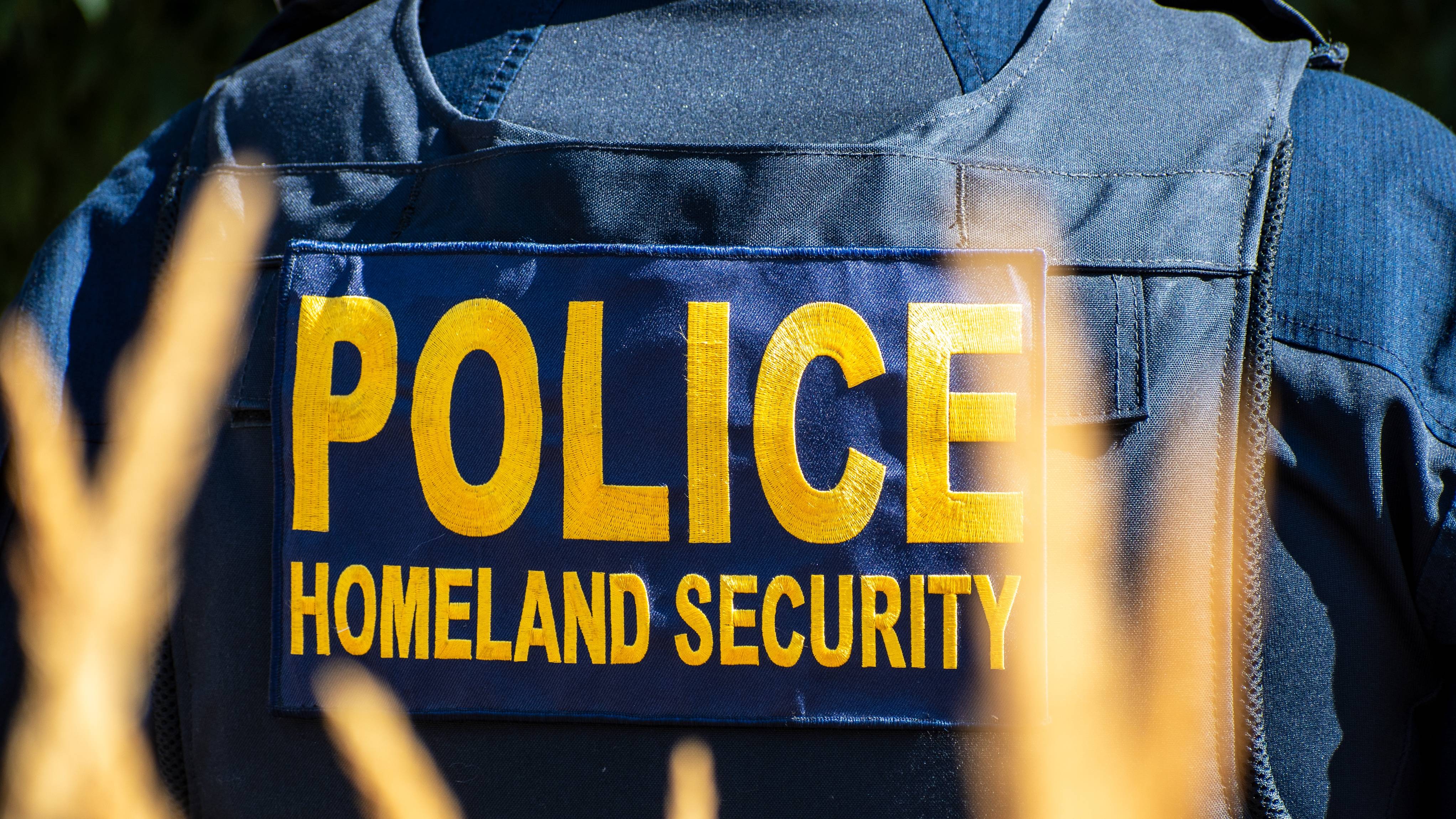
What’s unfolding in Minneapolis is not an anomaly. It’s a warning flare. Weeks of death. Federal immigration agents killing civilians. Communities flooding the streets not because they’re bored or misinformed, but because they are terrified and furious and grieving. People don’t protest in freezing weather unless something fundamental has snapped. And what snapped here wasn’t just a policy debate; it was the belief that the federal government exists to protect the people who live under it.

Civil wars don’t start because people suddenly want to destroy their country. They start when people feel the country has already left them behind. When state violence seems random. When accountability looks fake. When investigations take too long behind closed doors, while people are dying. When leaders stay silent instead of speaking up for what’s right. That silence doesn’t calm things down. It makes them worse.
Modern civil war doesn’t look like states breaking away. It looks like things falling apart. Cities push back against federal authority while the government pushes harder. Governors and mayors give different orders, courts try to stop things, and armed agents keep going as if nothing has changed. Local police step back while federal forces take over, leaving a gap where trust once stood. When trust is gone, only force is left.
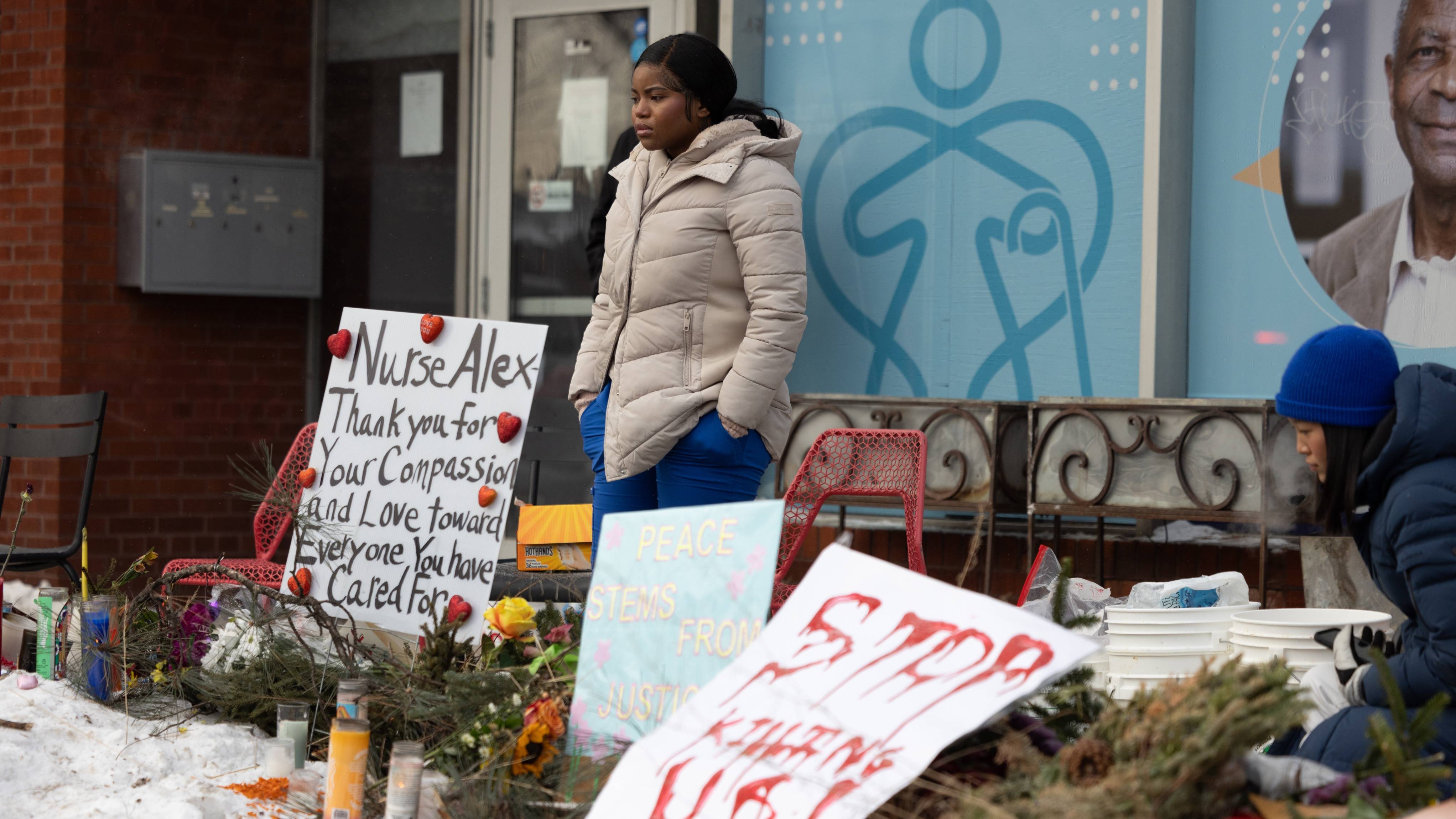
That’s when people start protecting themselves, not for ideas, but out of necessity. Guns stop being just symbols and become tools. Community defense groups form, some out of real concern, others out of fear or hate. Vigilantes show up next to protestors. Every meeting becomes risky because no one trusts anyone’s authority anymore. One wrong move, one loud command, one moment of panic, and another death becomes a rallying cry instead of just a tragedy.
The economic consequences follow quickly. Businesses don’t wait around for clarity. Insurance companies pull coverage. Employers relocate or shut down. Supply chains buckle under instability. Jobs disappear. And desperation spreads faster than any political slogan. When people can’t work, can’t afford groceries, and can’t feel safe walking outside, ideology stops mattering. Survival takes over. That’s when violence accelerates — not because people want chaos, but because hunger and fear leave no room for patience.
Meanwhile, truth itself erodes. Every incident becomes contested. Every video becomes suspect. Every death is filtered; truth starts to break down. Every event is argued over. Every video is doubted. Every death is twisted by politics, AI fakes, and propaganda. Without a shared sense of reality, there can’t be shared accountability. And without accountability, there is no peace, only more conflict and denial. When the head of state refuses to speak clearly during a national crisis, the message received is simple: this violence is acceptable, or at least tolerable. That message invites others to step in, like extremists, militias, private security forces, political opportunists, all eager to define “order” on their own terms.
History is clear about this. Civil wars get worse when leaders don’t take moral responsibility. When they hide behind rules instead of facing injustice. When they wait for unrest to end on its own instead of fixing what causes it. Right now, the country’s top office seems willing to let cities deal with the consequences on their own.
So now people are asking a real question. If the federal government is willing to use force but not show restraint, if it can kill but not comfort, escalate but not explain, then who is actually responsible for saving the country?

The truth is hard to face: countries are rarely saved when they reach a breaking point. They either rebuild trust or break apart for good. Rebuilding trust needs calm actions, openness, real accountability, and leaders who speak honestly about state violence instead of hiding it in press releases. Without that, the responsibility falls on regular people. And when civilians have to protect themselves, they don’t become heroes. They become victims.
Civil war doesn’t come with a warning. It starts when enough people feel the system isn’t theirs anymore. When trust is gone. When fear takes the place of agreement. Minneapolis isn’t the start—it’s the warning sign. The real question now is whether anyone in power will act before more Americans decide the country isn’t worth trusting or saving.