NAACP Image Awards: 5 Giveon Records That Prove He’s This Generation’s Ballad King

In an era where tempo often drives attention, Giveon has built his artistry in the opposite direction with slowing everything down.
His voice, instantly recognizable for its baritone depth and grainy warmth, feels engineered for confession. It lingers and aches. It tells the truth even when the lyrics try to hide it.
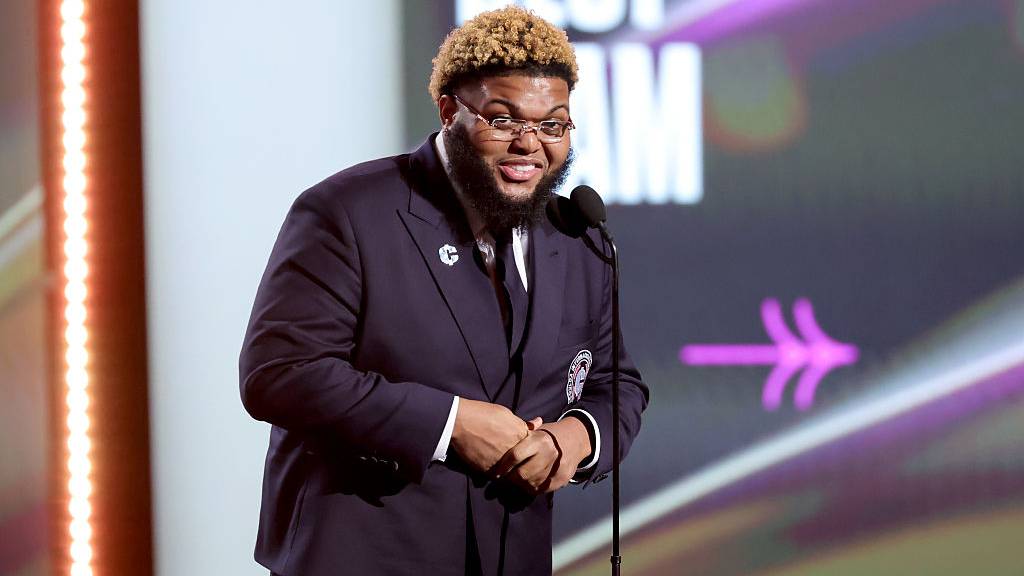
That emotional precision is part of why his nomination for Outstanding Male Artist at the NAACP Image Awards feels especially fitting.
Few contemporary R&B voices have revived the classic ballad format with the same elegance.
Where others chase viral moments, the vocalist leans into timelessness, giving orchestral arrangements, live instrumentation, and storytelling rooted in longing, regret, and romantic self-reflection.
His records don’t just soundtrack heartbreak, but they dissect it.
There’s often a quiet tension in his delivery a push and pull between pride and vulnerability. You hear it in the pauses, the drawn-out syllables, the way he lets certain notes crack just slightly before regaining composure. It’s controlled emotional release.
Visually and sonically, his music evokes candlelight rooms, late-night drives, and conversations left unfinished. That atmosphere has helped him carve a lane reminiscent of traditional soul crooners while still feeling modern enough for streaming-era listeners.
From breakout hits to deeper catalog gems, the singer's ballads feel less like songs and more like emotional timestamps, feeling like markers of love found, tested, and sometimes lost.
Here are five of his most defining records that showcase why his voice has become one of R&B’s most essential instruments today.
“Heartbreak Anniversary”
Arguably his signature record, “Heartbreak Anniversary” is the song that transformed Giveon from rising act to emotional mainstay.
Built on sparse production and echoing piano chords, the track leaves ample room for his voice to lead.
He leans into the pain of remembering a past love, marking time through absence rather than presence.
The chorus feels almost conversational, like a confession spoken out loud after midnight.
Its viral resurgence years after release proved its timeless relatability.
“Like I Want You”
“Like I Want You” introduced listeners to Giveon’s emotional blueprint early on.
There’s a pleading quality in his delivery that never tips into desperation and it remains dignified, even in longing.
The production is minimal but atmospheric, built on warm chords and restrained percussion.
Lyrically, it captures the frustration of loving someone who can’t reciprocate fully. It remains one of his most powerful records.
“Favorite Mistake”
“Favorite Mistake” explores romantic contradiction by knowing a relationship is flawed but cherishing it anyway.
The arrangement feels slightly melancholy, with sweeping instrumentation supporting his reflective tone.
Giveon’s phrasing here is especially deliberate, stretching certain lines to emphasize emotional conflict.
There’s a maturity in how he frames regret, avoiding blame in favor of accountability.
- advertisement
“For Tonight”
“For Tonight” leans into longing with cinematic flair.
The orchestral elements elevate the record, making it feel grand yet deeply personal.
Lyrically, it wrestles with distance while clinging to fleeting moments of closeness.
His falsetto accents add texture without abandoning his baritone foundation.
The tension between wanting permanence and accepting temporariness drives the record’s emotional weight. It’s one of his most sonically expansive ballads.
“All To Me”
“All To Me” captures Giveon at his most vulnerable.
The record is built around surrender and giving oneself fully to love despite uncertainty.
The production remains understated, allowing his vocal tone to carry the narrative. T
here’s a softness in his delivery that feels almost protective, as if guarding the relationship he’s singing about.
Emotionally, it lands somewhere between devotion and fear.
Watch the NAACP Image Awards on BET and CBS on Feb. 28, 2026.