The Soul Has Left the Studio: How AI Is Quietly Killing the Heart of Music

When a robot takes over a factory, we call it automation. When it takes over an R&B chart, we call it progress. But what’s happening with Xania Monet, the so-called “AI artist” who just debuted on Billboard’s Adult R&B Airplay chart, it isn’t progress. It’s a warning.
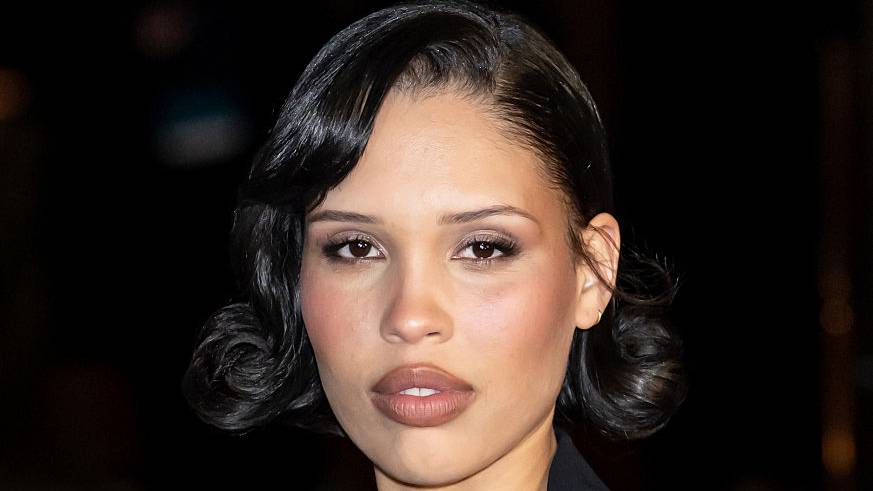
Monet’s song “How Was I Supposed to Know?” hit No. 30 this week, making her the first artificial artist to do so. She’s also topped the R&B Digital Song Sales chart, racked up more than 44 million streams, and reportedly earned over $52,000 in just a few months. That’s real money. The catch? She’s not real.
Behind Monet is a poet from Mississippi named Telisha “Nikki” Jones, who used a generative music platform called Suno to bring her creation to life, or at least the illusion of it. Hallwood Media quickly swooped in with a multimillion-dollar record deal after a so-called “bidding war.” Labels smelled a new gold rush: no egos, no tour riders, no exhaustion — just endless content that never misses a deadline.
To some executives, this is innovation. To working artists, it’s theft.
Kehlani summed it up best in a since-deleted TikTok: “There is an AI R&B artist who just signed a multimillion-dollar deal … and the person is doing none of the work.”

Because let’s be honest, if music is just numbers and noise, then yes, AI can do it better. It can sing perfectly in tune, write a thousand songs before breakfast, and never need a break. But if music is meant to move us, to capture heartbreak, joy, rage, and the complicated mess of being human, then no machine, no matter how advanced, can replicate that.
The danger isn’t that AI will replace one artist; it’s that it will replace the expectation of authenticity altogether. When we start rewarding imitation as innovation, we flatten creativity into an algorithm. The soul, the struggle, the culture that birthed R&B, all of that gets reduced to data points.
Romel Murphy, Monet’s manager, told CNN, “AI doesn’t replace the artist. It’s a new frontier.” Maybe. But frontiers have always come with casualties. Ask the studio musicians who lost gigs to drum machines. Ask the songwriters who’ve been undercut by free AI lyric generators. Ask the countless Black artists whose sound, born from centuries of lived experience, is now being fed into models that will remix their pain without credit or compensation.
We can call it “collaboration” all we want, but the truth is this: the music industry has never been great at protecting the people who actually create its magic. And now, it’s found a way to make hits without them at all.
The irony is brutal. R&B, a genre rooted in emotion and storytelling, is now celebrating a machine for perfecting the formula. But what happens when the formula is all that’s left? When the imperfections that make a song feel real are scrubbed away in pursuit of artificial precision?
AI won’t kill music overnight. It’ll just keep making us forget what music used to mean.