The Crossover Moment: When Black Athletes Take the Runway (and the Boardroom)

When the scoreboard fades, the spotlight doesn’t.
That was the energy radiating down the runway this week when Angel Reese — LSU star, WNBA rookie, and self-proclaimed “Bayou Barbie” — made her Victoria’s Secret Fashion Show debut alongside Olympic gymnast Suni Lee. The moment, captured by everywhere online, wasn’t just about glam. It was about evolution.
For decades, Black women in sports were told to focus on the game, not the fame — to let their athleticism speak louder than their presence. But that time is over. Reese’s strut down the runway wasn’t a departure from her sport; it was a continuation of her power. It symbolized what’s been happening across culture for years: Black athletes, especially women, refusing to be boxed in.
They’re no longer just players — they’re brands, muses, moguls, and movements all at once.
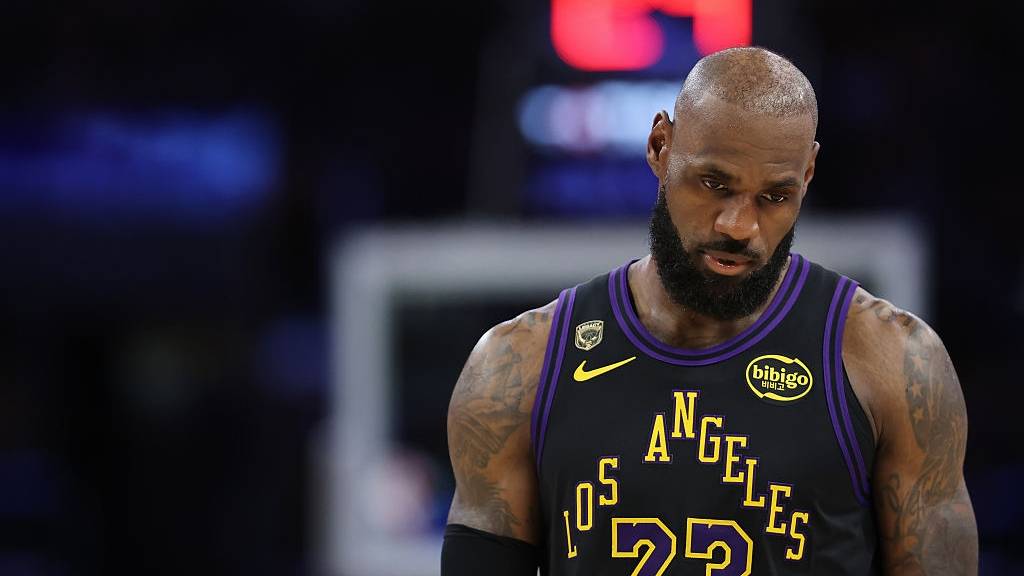
This new era of the “crossover athlete” has been building for a while. From Serena Williams creating her own fashion line to Sha’Carri Richardson landing luxury beauty campaigns, to LeBron James owning production companies and schools, the lines between athlete, entrepreneur, and cultural icon have blurred completely.
For Reese, the timing couldn’t be better. She walked into the WNBA already a household name, already viral, already monetized — a woman who knows her value and has the NIL receipts to back it up. Her runway debut isn’t a distraction from basketball; it’s an extension of her empire.
What we’re watching is not just representation — it’s reclamation.

Historically, Black athletes have always influenced culture, even when they weren’t credited for it. The swagger of hip-hop, the rise of sneaker culture, even the aesthetics of streetwear — all of it began on the courts, fields, and tracks where Black talent redefined what cool looked like.
But for years, corporate America kept the creativity while keeping the creators on the sidelines. Now, athletes like Reese are changing the business model. They’re not just endorsing brands — they’re becoming them.
When Reese hits the runway, it’s not about looking pretty; it’s about owning visibility. It’s a reminder that the same confidence that made her clap back at critics during March Madness is the same confidence that carries her across any stage she steps on.
She’s part of a generation that understands the currency of presence.
Fashion houses are catching on, too. The old-school days of signing one Black athlete as a “diversity face” are over. Now, major brands are looking to athletes who bring both cultural relevance and social media power.
In the last year alone, Coco Gauff inked deals with New Balance and Bose while walking runways for Louis Vuitton. A’ja Wilson turned her signature Nike shoe into a fashion moment.
The common thread? They’re all leveraging style as storytelling.
Black athletes have always been tastemakers — what’s different now is that they’re finally profiting from it. But there’s another layer to all of this. The visibility of Black women in spaces like Victoria’s Secret — a brand once criticized for its narrow beauty standards — hits differently. For Reese and others, it’s not just about fashion; it’s about expansion. About being seen in full color, on their own terms.
When Black women athletes get the kind of high-fashion spotlight once reserved for white models, it’s a cultural correction — not a coincidence.
These women are rewriting femininity in real time. They’re proving that strength and softness, muscle and glam, ambition and joy can exist in the same body. That’s the shift: no more choosing between the game and the gloss.
And let’s be real — the business of being an athlete today requires more than athleticism. You have to be media-savvy, camera-ready, and entrepreneurial. Endorsements now live on TikTok and Instagram, not just billboards. NIL deals and brand partnerships mean athletes are CEOs of their own identities.
The next generation of Black athletes is watching and taking notes: you don’t just play for the team — you play for your name.
So yes, Angel Reese walked a runway last week. But she also walked into another chapter of what it means to be a modern Black woman in sports — powerful, multidimensional, and impossible to ignore.
Because at the end of the day, it’s not just about how you play the game. It’s about how you expand it.