'College Hill: Celebrity Edition': Eight Historical Facts About HBCUs

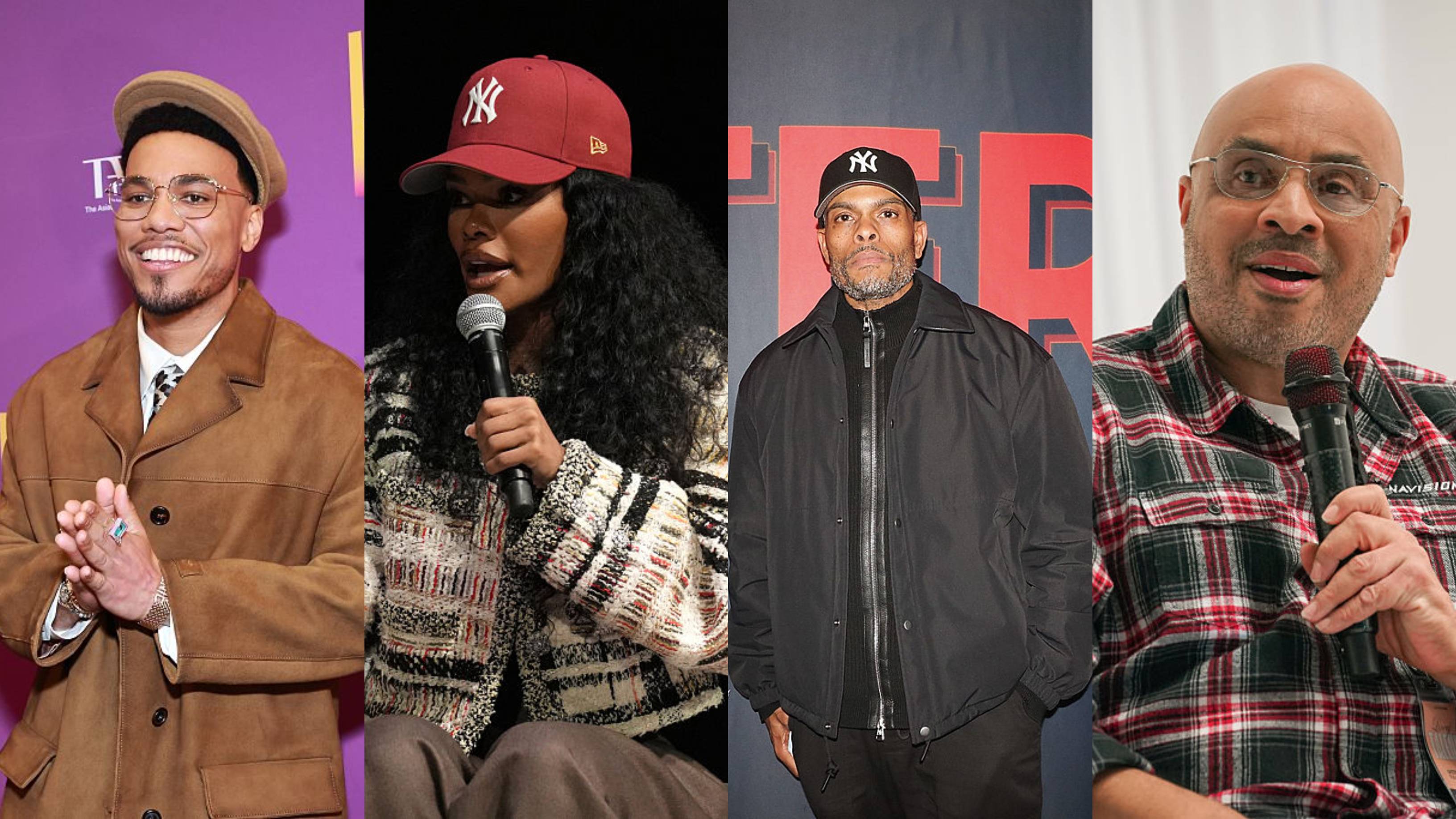
The second season of College Hill: Celebrity Edition is almost over, but it seems like Tiffany “New York” Pollard, Joseline Hernandez, Iman Shumpert, Kway, Amber Rose, O’Ryan, Ray J and Parker McKenna Posey have been learning a lot about how college, particularly HBCUs, work.
One of the things they probably weren’t ready for was how rich in history HBCUs are. This season, they attend Alabama State University and learned much about the school’s connection to the Civil Rights movement. They also got to visit the Legacy Museum and learn more about the work that Black activists have been putting in for years.

Reality TV comes with a lot of baggage and is often viewed as mindless entertainment for valid reasons. However, hopefully, College Hill, despite any drama, opens people’s eyes to the importance of HBCUs, which were mostly founded post-Civil War. Speaking of the Civil War, and in honor of Juneteenth, here are eight historical facts about HBCUs that you should know.
1. Most HBCUs were founded in the mid-to-late 1800s to educate Black students, and in some cases, Native American students too. This was when other institutions were not open to students who weren’t considered white.
2. Alabama State University was founded in 1867 by freed slaves known as the Marion Nine.
3. Alabama is the state with the most HBCUs.
4. Hampton University is home to the Emancipation Oak, where Abraham Lincoln first read the Emancipation Proclamation in the South.
5. Texas Southern University, scene of College Hill: Celebrity Edition season one, was founded in 1947. That’s later than most HBCUs, but it’s the first publicly supported institution in Houston.
6. While Most HBCUs are located in the south, the first-ever HBCU established was Cheyney University in Pennsylvania. It was founded in 1837, before slaves were free nationwide (Pennsylvania abolished slavery in 1780).
7. HBCUs comprise only 3% of America’s colleges and universities but produce almost 20% of all African American graduates. According to the Thurgood Marshall College Fund, 40% of all Black members of Congress and Black engineers, 50% of Black lawyers, and 80% of Black judges graduated from an HBCU.
8. Tuskegee University was the first Black college to become a registered national historic landmark and the only Black college to become a national historic site administered by the National Park Service of the US Department of Interior.